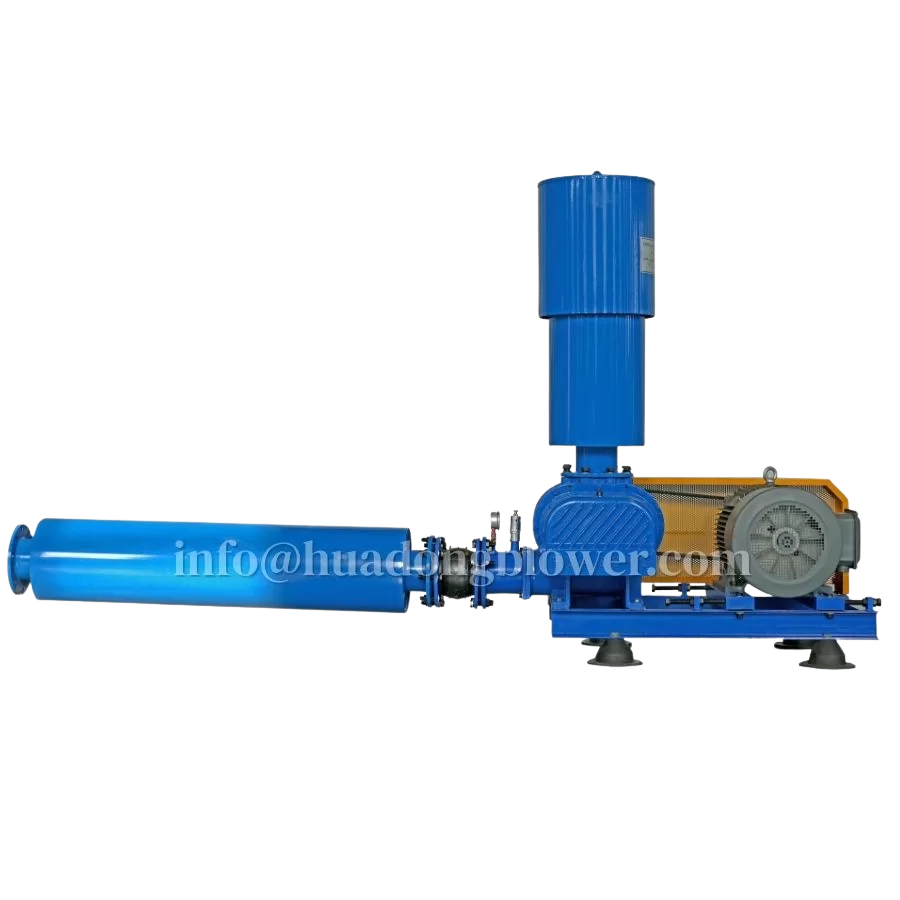
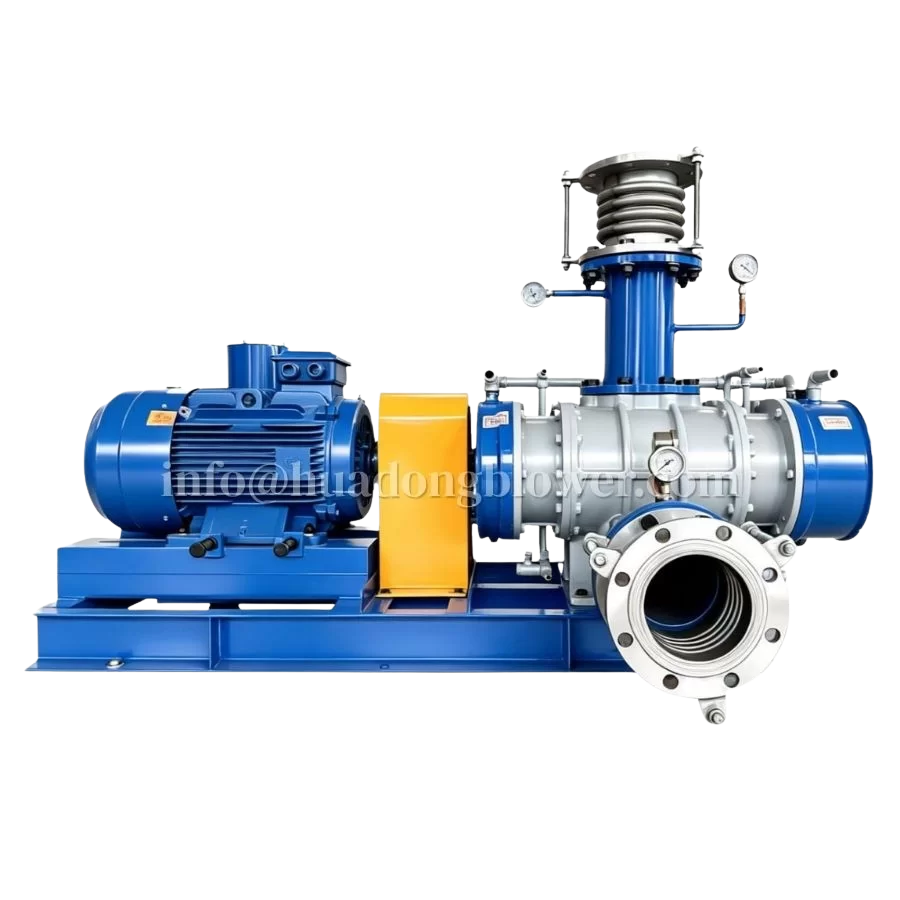



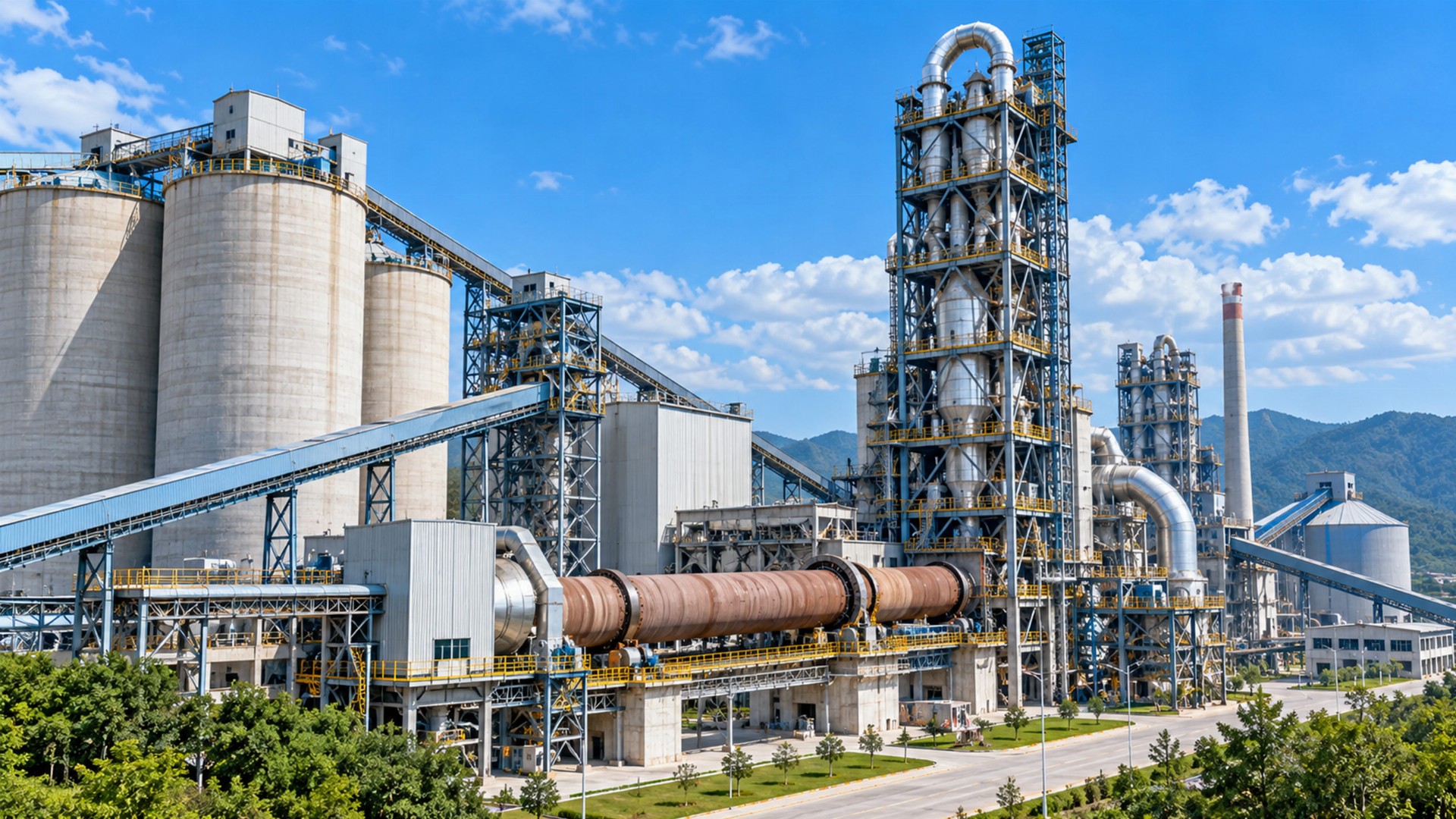



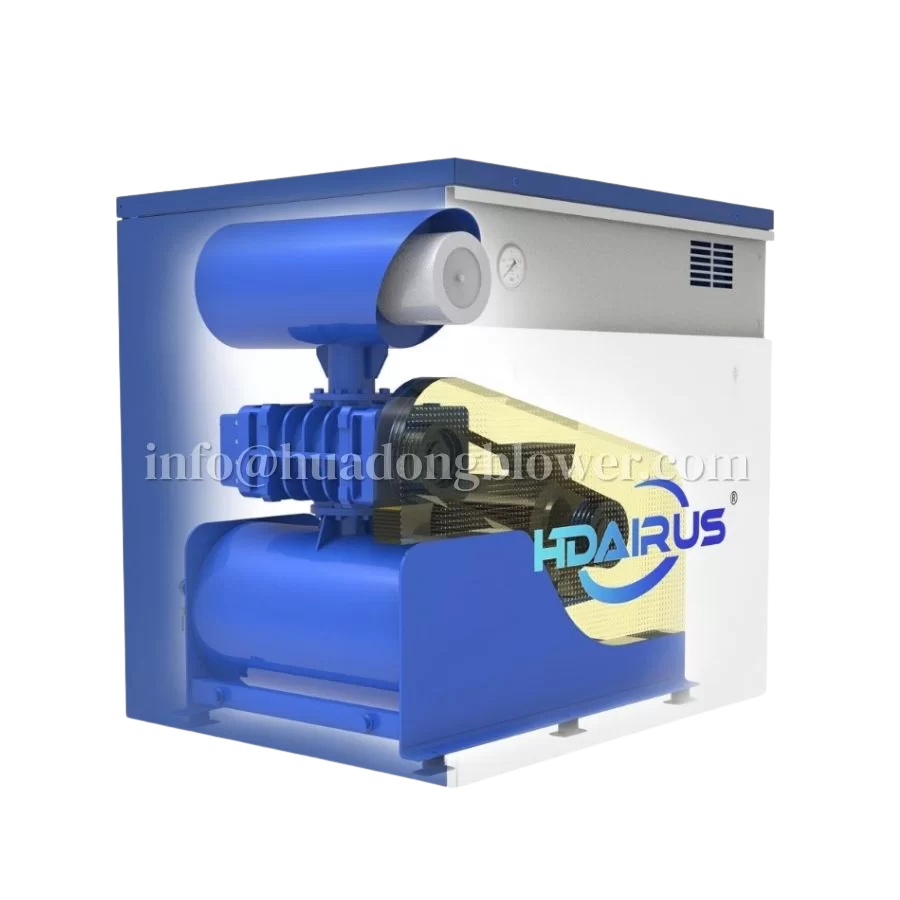
Aging multi-stage centrifugal blowers have served wastewater treatment plants, chemical facilities, and industrial air supply headers for decades. While their basic compression principle is familiar, many legacy installations suffer from high part-load throttling losses, gear or coupling inefficiencies, frequent bearing and seal servicing, and rising electricity costs.
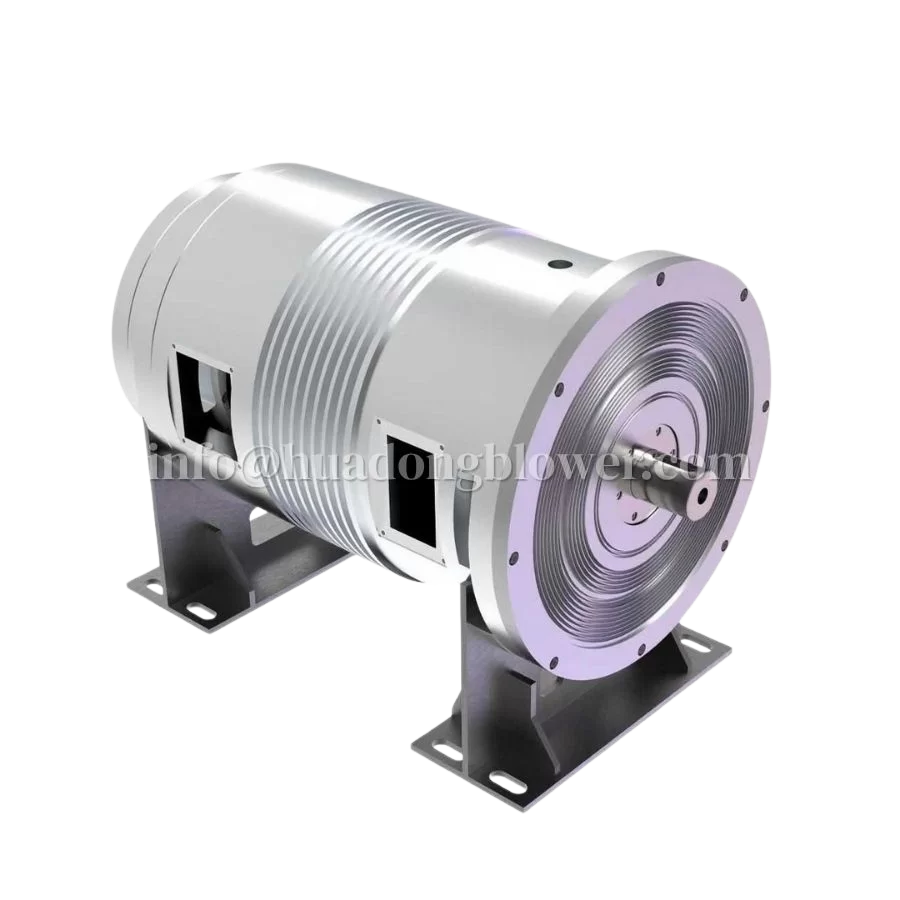
Upgrading to magnetic levitation (maglev) turbo blowers replaces mechanical gear drives and oil-lubricated bearings with direct-drive permanent magnet synchronous motors (PMSM) and active magnetic bearings (AMB). Calculating return on investment (ROI) systematically allows plant teams to verify energy savings, maintenance reductions, and payback timelines before committing capital.
1. Step-by-Step ROI Assessment Workflow
A structured five-step evaluation aligns baseline operating data with projected maglev blower performance.
Step 1: Audit Baseline Blower Duty and Throttling Losses
Collect historical SCADA or meter logs covering actual airflow (m3/min or Nm3/h), discharge pressure (kPa or bar), input electrical power (kW), and inlet or discharge valve throttling positions. Blowers operating with partially closed dampers or blow-off valves often waste substantial power.
Step 2: Map Real-World Load Profiles and Duty Cycles
Group operating hours across peak, normal, and low-load periods. Many municipal aeration basins and industrial process headers run well below rated capacity during off-peak shifts, creating strong savings opportunities for variable-speed maglev operation.
Step 3: Quantify Electricity and Maintenance Savings
Estimate annual electricity savings by comparing baseline power draw against maglev wire-to-air efficiency across each load band, multiplied by local electricity rates ($/kWh). Add annual savings from eliminated lubricating oil changes, bearing replacements, alignment checks, and filter or seal servicing.
Step 4: Account for Total Installed Capital Cost and Incentives
Combine equipment pricing with site installation costs, such as power cable sizing, VFD or PLC panel integration, foundation pads, piping transitions, and commissioning. Subtract applicable utility energy-efficiency rebates or grants where available.
Step 5: Calculate Simple Payback and Multi-Year ROI
Use standard financial formulas to evaluate project attractiveness over the expected equipment service life (commonly 10 to 15 years):
l Annual Cost Savings = Annual Electricity Savings + Annual Maintenance Savings
l Simple Payback Period (Years) = Total Installed Cost / Annual Cost Savings
l Multi-Year Net Savings = (Annual Cost Savings x Evaluation Years) - Total Installed Cost
2. Key Cost and Performance Factors to Include in the Model
ROI Component | Legacy Multi-Stage Centrifugal Blower | Maglev Turbo Blower Upgrade | Impact on Financial Model |
Part-Load Control | Often relies on inlet guide vanes, discharge throttling, or fixed speed. | Wide-range VFD speed control matched to real-time process demand. | Reduces kWh consumption during low and medium flow periods. |
Mechanical Friction | Involves gearboxes, couplings, or oil-lubricated sleeve/roller bearings. | Active magnetic levitation eliminates mechanical contact during rotation. | Lowers parasitic losses and removes oil supply/disposal costs. |
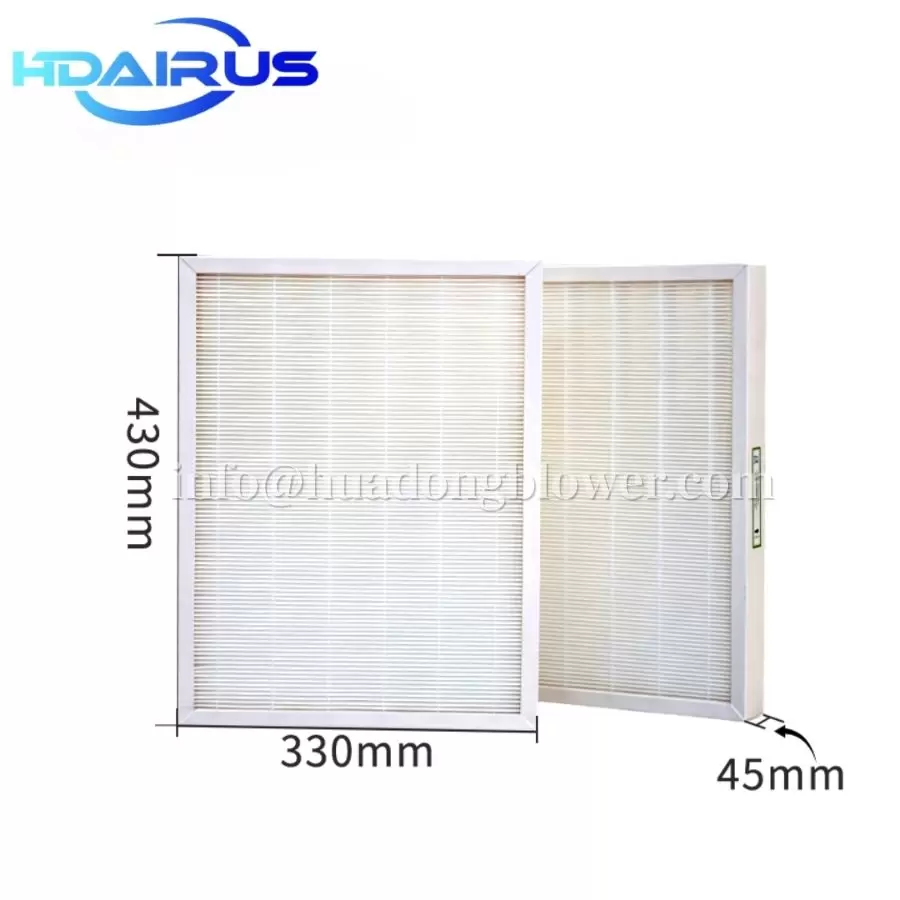
Scheduled Maintenance | Periodic oil changes, oil filter swaps, bearing checks, and seal wear. | Primarily air intake filter maintenance and periodic system checks. | Reduces maintenance labor hours and unplanned downtime risk. |
Upfront CAPEX | Lower initial purchase price for standard multi-stage units. | Higher initial equipment investment due to AMB and high-speed drive systems. | Lengthens initial outlay, offset over time by lower OPEX. |
3. Practical Tips for an Accurate Plant Retrofit Evaluation
Measure actual operating pressure rather than relying solely on nameplate design pressure, as lower actual head reduces required power.
Verify electrical room cooling, harmonic filtering, and space constraints before finalizing installation estimates.
Include avoided downtime costs in critical continuous processes where unplanned blower trips halt production or affect effluent compliance.
Request blower performance curves across your specific flow and pressure operating points rather than comparing single-point ratings alone.
4. Manufacturing Capabilities of Shandong Huadong Blower Co., Ltd.
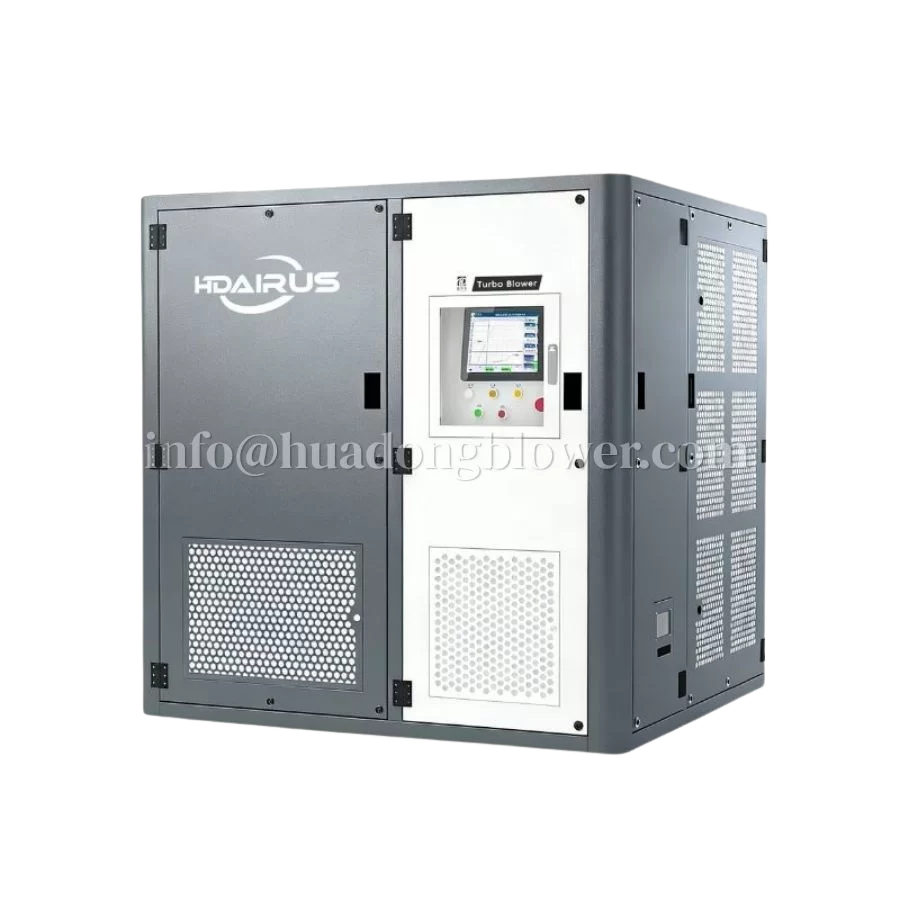
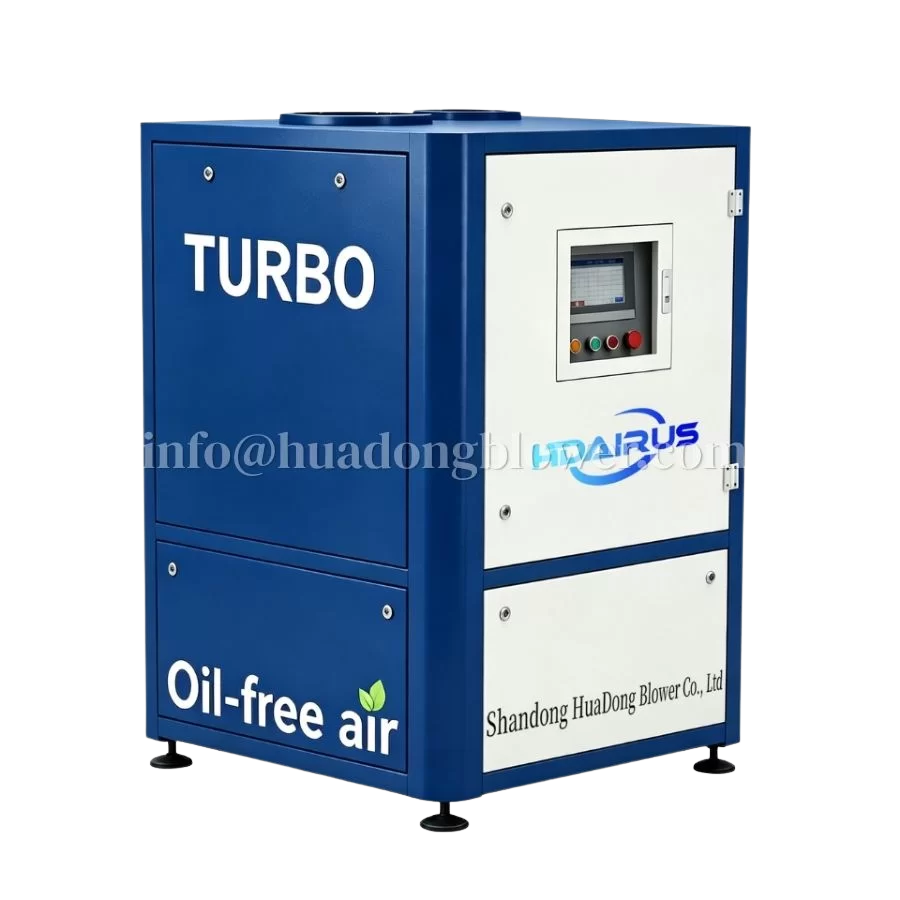
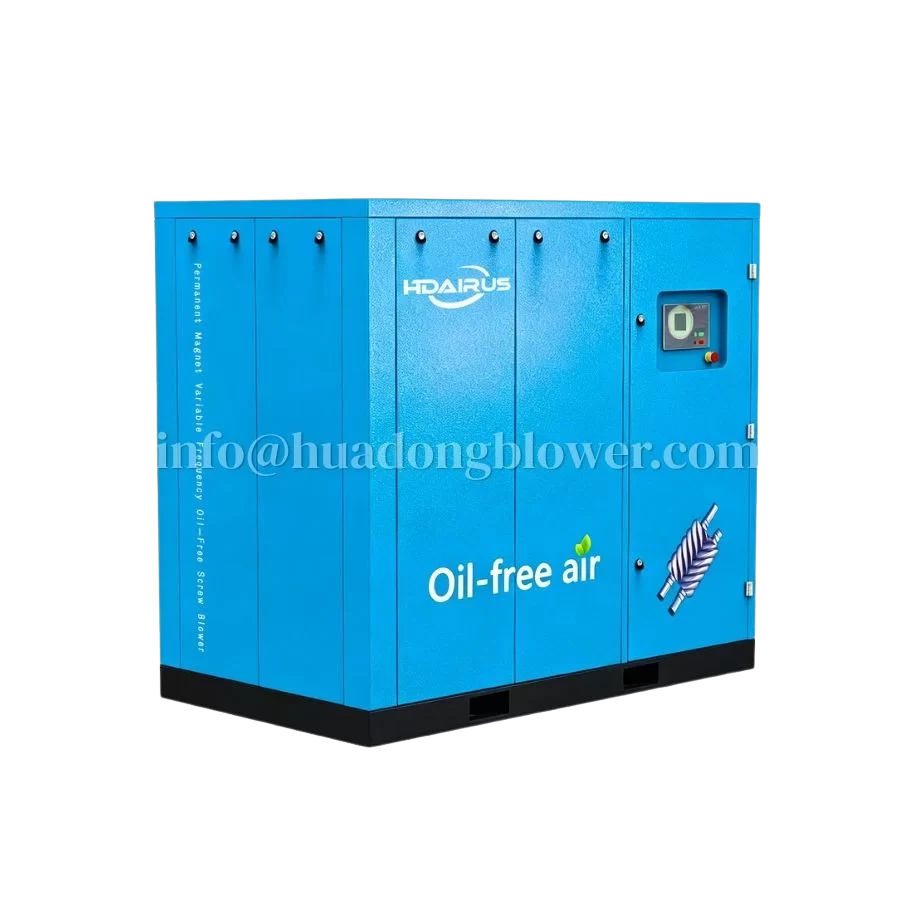
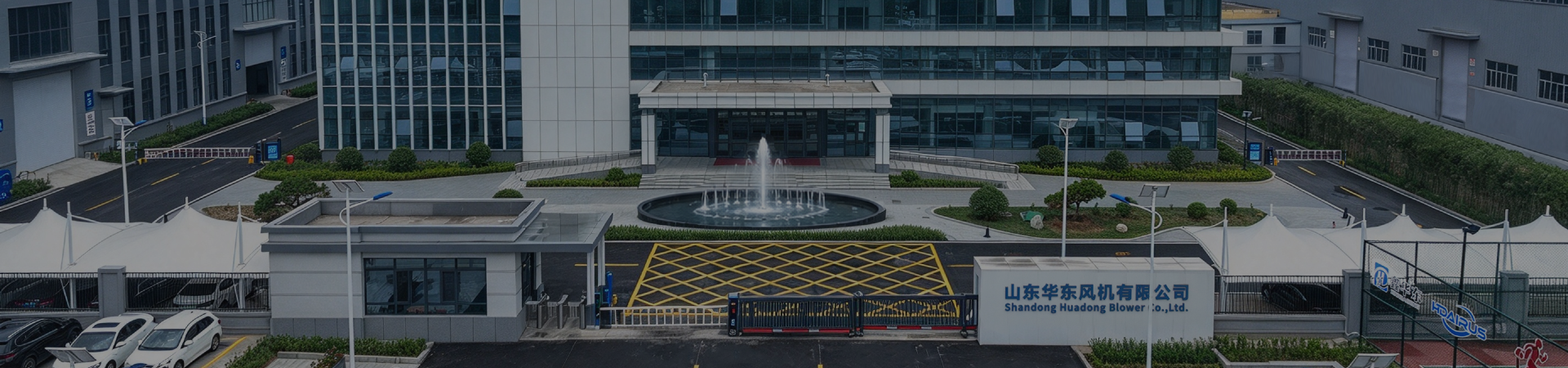
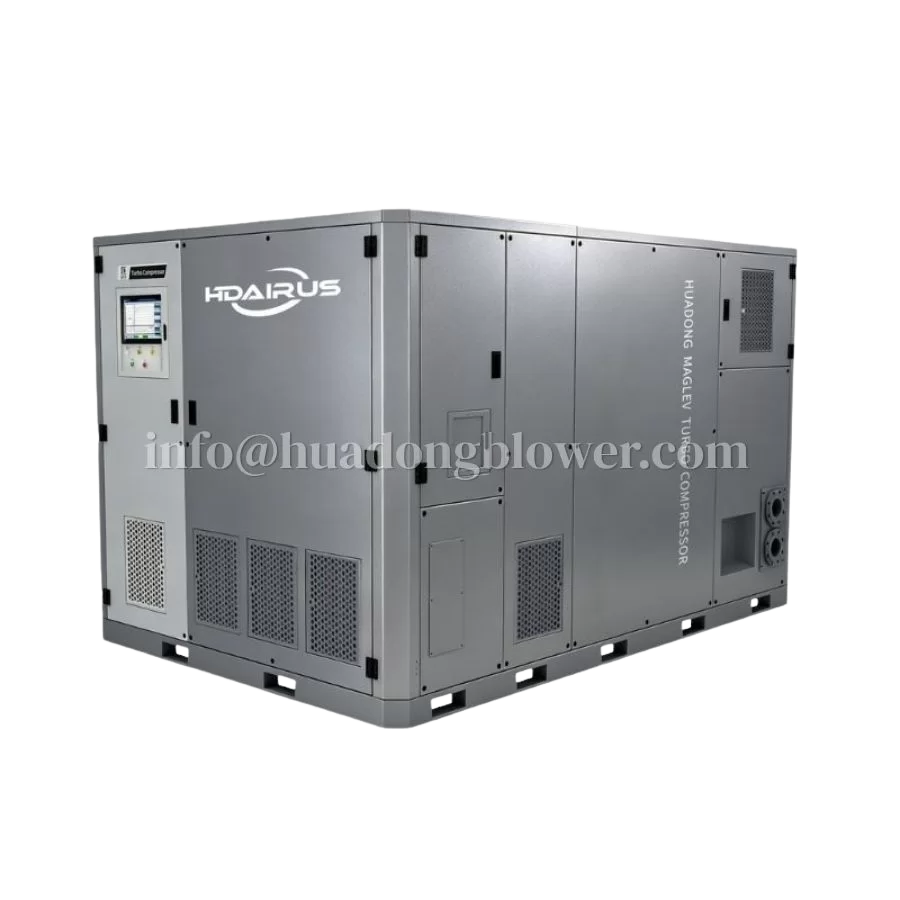
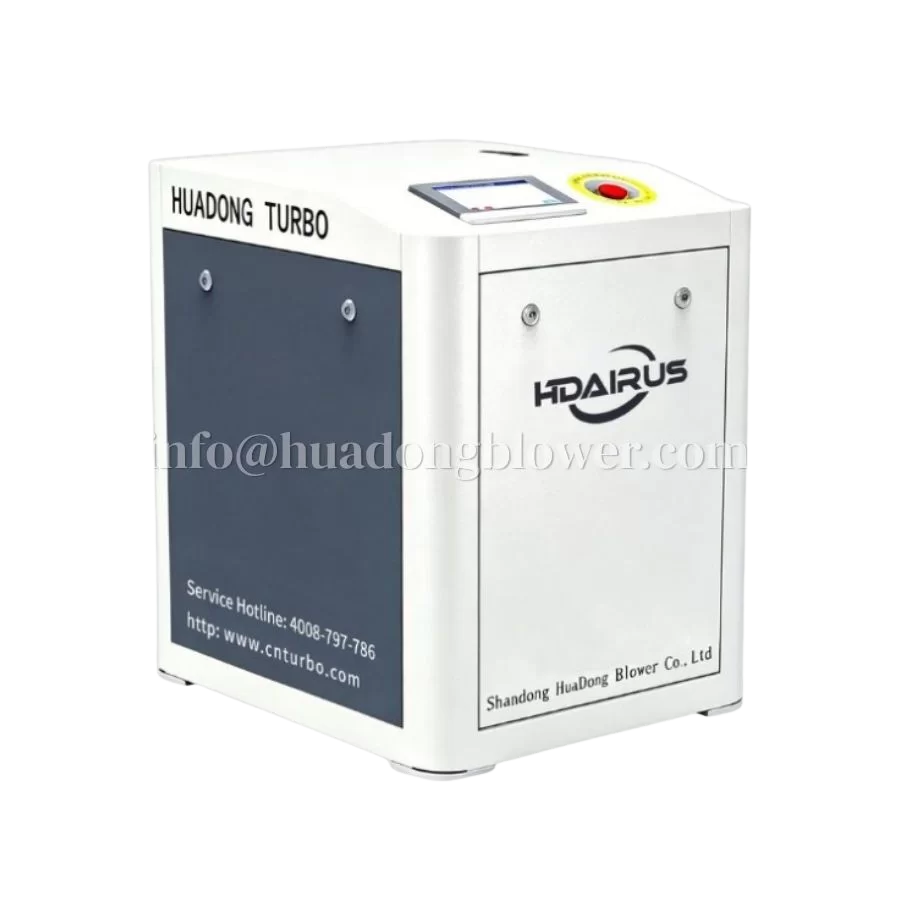
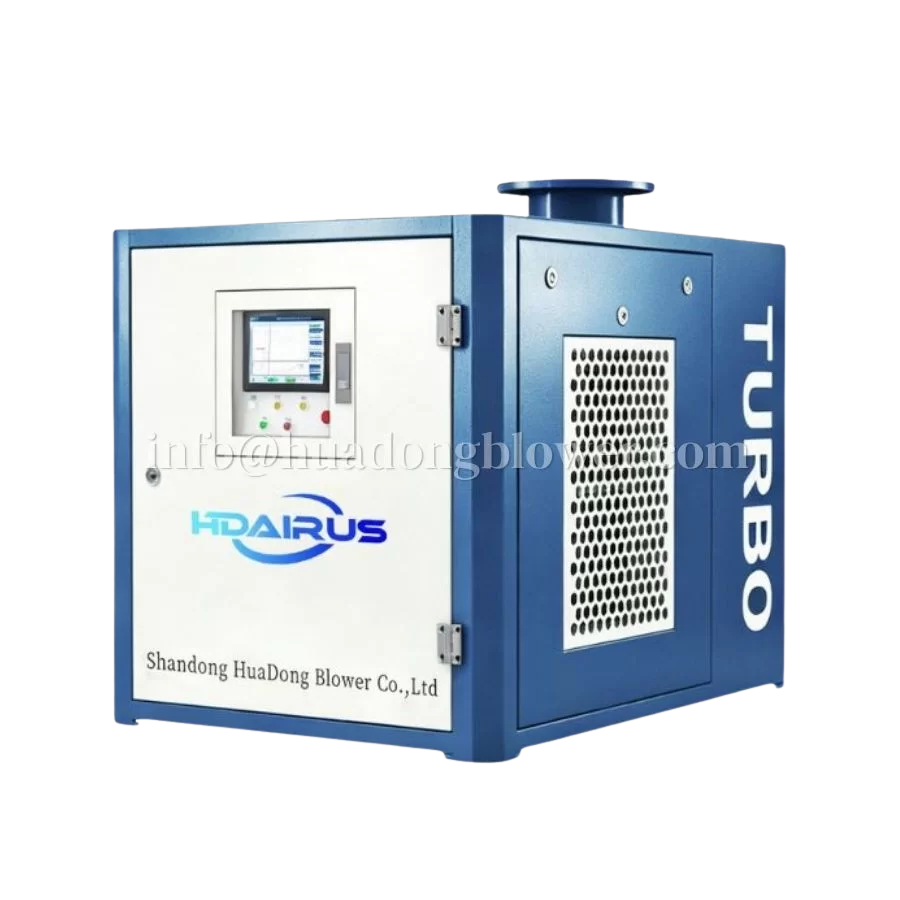
Shandong Huadong Blower Co., Ltd. manufactures industrial blowers, compressors, and environmental equipment at its 100,000 square meter smart manufacturing facility in Zhangqiu, Jinan, Shandong, featuring 70,000 square meters of workshop space. Under the HDAirus brand, the company supplies maglev turbo blowers engineered for continuous municipal and industrial duty.
Engineering Highlights of HDAirus Maglev Turbo Blowers
l Active Magnetic Bearing Platform: Multi-axis electromagnetic suspension with real-time digital monitoring and backup power protection for continuous operation.
l High-Efficiency Direct Drive: Permanent magnet synchronous motor coupled with precision aerodynamic impellers for strong part-load and full-load efficiency.
l Factory-Tested Skid Packaging: Integrated PLC/VFD controls, surge protection, acoustic enclosures, and industrial communication support to streamline plant retrofits.
Following a disciplined step-by-step ROI assessment helps plant engineers and decision-makers determine when upgrading from multi-stage centrifugal blowers to HDAirus maglev technology delivers measurable financial and operational value.

 Scan to follow

