

The Biological Target in Intensive Aquaculture
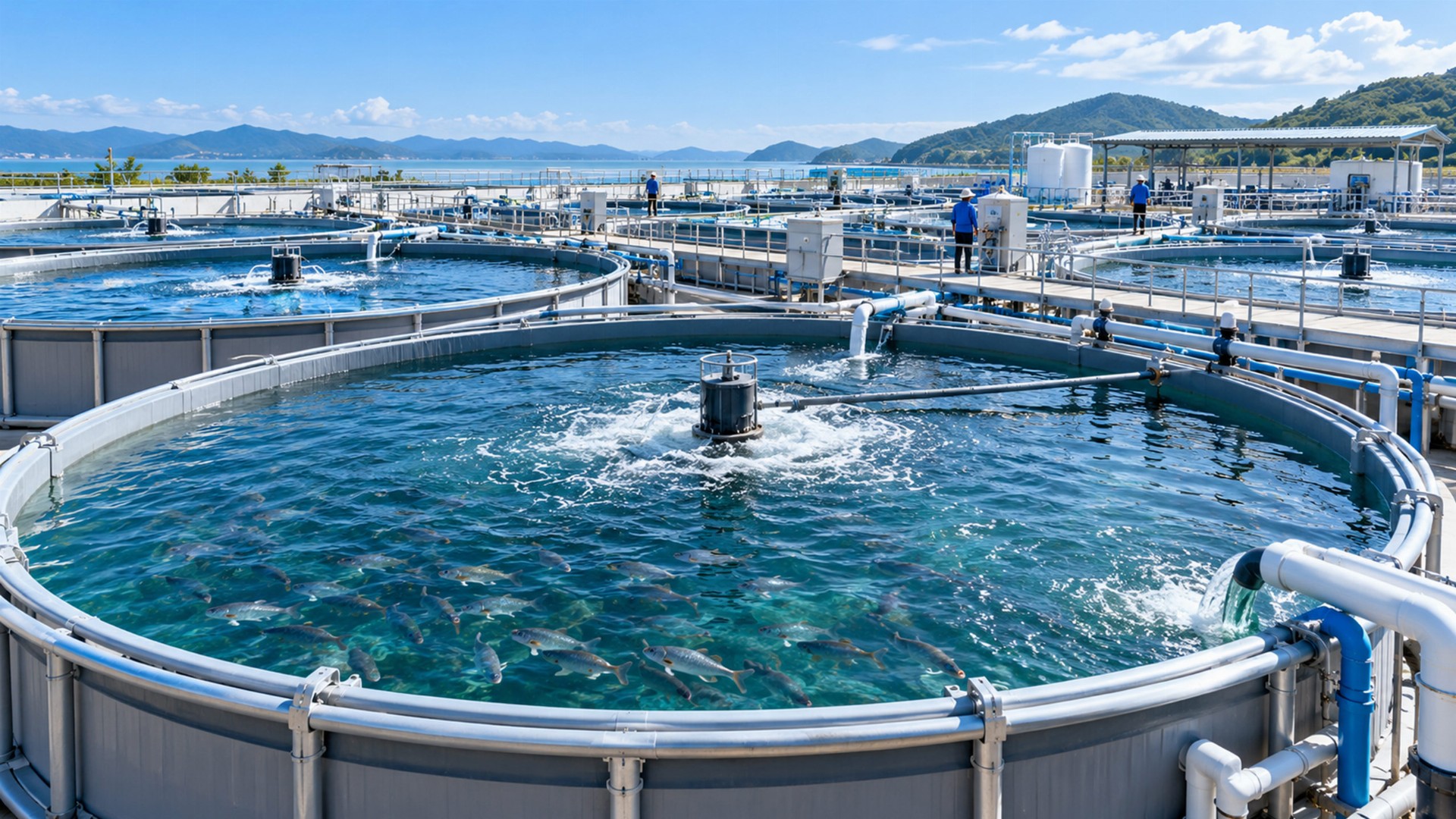
In commercial shrimp and fish farming, maintaining high Dissolved Oxygen (DO) levels is the single most critical factor for survival, feed conversion ratios, and overall biomass yield. Unlike shallow, low-density traditional ponds that rely entirely on natural surface wind or splash paddle wheels, modern high-density intensive aquaculture requires deep-water bottom aeration.
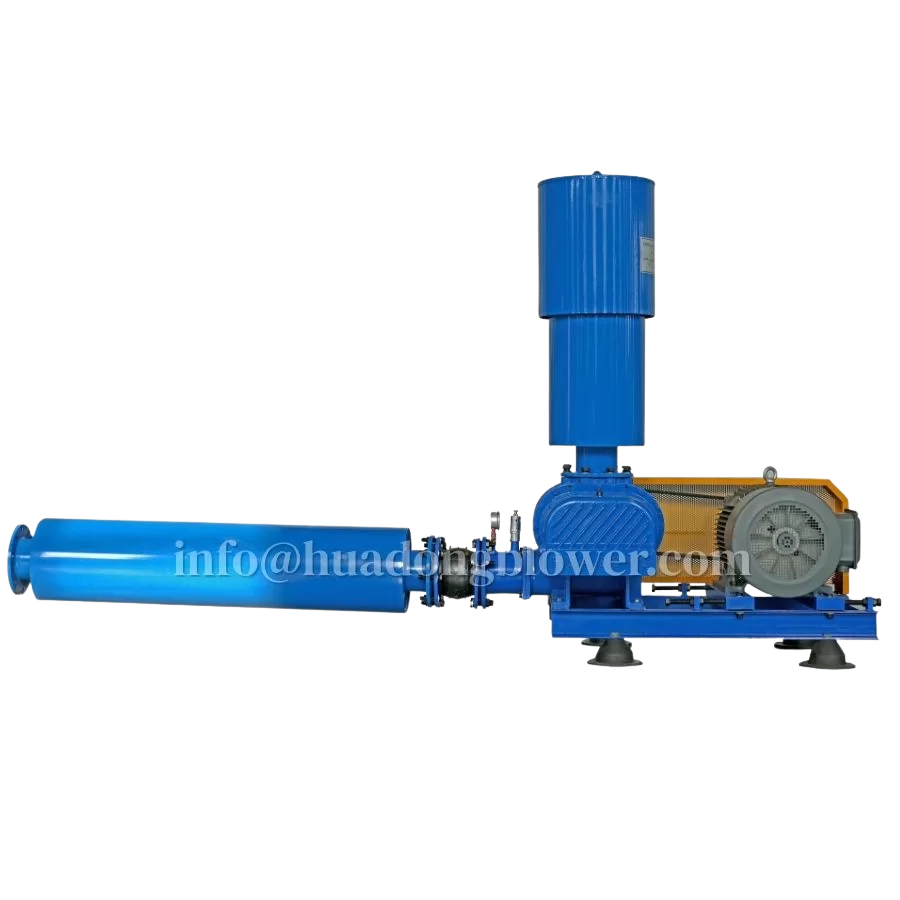
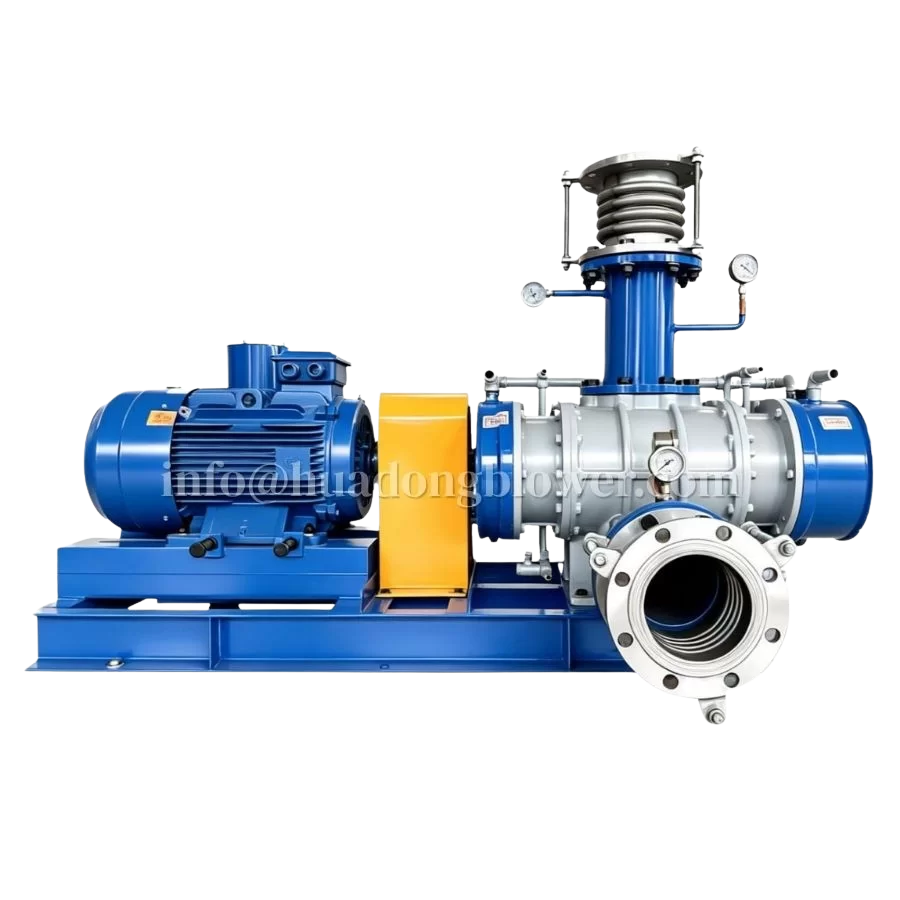
A Roots Blower is the industry standard for this application. As a positive displacement machine, it forces a continuous volume of ambient air through a network of submerged porous tubes or disc diffusers at the bottom of the pond. This creates billions of micro-bubbles that rise through the water column, maximizing the gas-liquid contact area and ensuring a stable, oxygen-rich environment from the floor to the surface.
[ Roots Blower ] -> [ Distribution Manifold ] -> [ Submerged Porous Diffusers ] -> Micro-bubbles elevate Dissolved Oxygen
Selecting the incorrect blower size or configuration can lead to catastrophic crop failure due to sudden oxygen depletion, or unnecessary high electrical bills that erode farm profitability. Below is the technical roadmap to choosing the right Roots blower for your aquaculture facility.
Step 1: Calculate the Total System Pressure Requirement
The first and most important mistake to avoid is sizing a blower based on horse power or air flow alone. Because a Roots blower is a positive displacement device, it only builds the specific pressure required to overcome the downstream resistance of your pond setup.
To find your target pressure baseline, you must calculate three distinct resistance factors:
1. Hydrostatic Water Pressure (Depth Resistance)
The deeper your pond, the harder the blower must push to exhaust air into the water. Water weight creates a predictable linear resistance. Every 1 meter of water depth equals approximately 10 kilopascals (kPa) of hydrostatic backpressure.
Example: A shrimp pond with a water depth of 1.5 meters creates a static resistance of 15 kPa.
2. Friction Loss in Piping
As compressed air travels from the blower room through the main delivery lines and sub-pipes to the ponds, it rubs against the inner walls of the plumbing, causing a drop in pressure. Using pipe diameters that are too narrow or incorporating too many sharp 90-degree elbows increases friction loss. On a well-designed farm layout, pipe friction should be limited to 2 kPa to 4 kPa.
3. Diffuser Resistance (Bubble Release Pressure)
The porous aeration tubes or rubber disc diffusers submerged on the pond floor require a baseline pressure just to force the air through their microscopic holes. Clean, high-quality diffusers typically have a resistance of 3 kPa to 5 kPa. Note that over time, bio-fouling and mineral scaling will increase this resistance.
{Total System Pressure} = {Hydrostatic Depth Pressure } (10kPa per meter) + {Pipe Friction Loss} + {Diffuser Opening Pressure}
Selection Rule: For a typical 1.5-meter deep intensive pond, your Roots blower must be rated for a minimum discharge pressure of 20 kPa to 24 kPa to ensure continuous bubble release without straining the motor.
Step 2: Determine the Required Air Flow Rate
Once you know the pressure required to reach the bottom of the pond, you must determine the volume of air—measured in Cubic Meters per Minute (m^3/min)—needed to sustain your aquatic biomass. Air flow sizing depends directly on your stocking density and targeted production tonnage.
Aquaculture Type Stocking Density Estimated Air Flow Requirement
Traditional / Extensive Low density (<20 pcs/m^2) Rely on natural aeration or minimal splash wheels.
Semi-Intensive Fish/Shrimp Moderate density (20-60 pcs/m^2) 0.05 to 0.08 m^3/min per square meter of pond area.
Intensive / Biofloc Systems High density (>60 pcs/m^2) 0.10 to 0.15 m^3/min per square meter of pond area.
Alternatively, you can calculate requirements based on direct power matching: industrial guidelines for intensive shrimp farming suggest providing 1.2 to 1.5 m^3/min of air flow for every 1 HP of blower motor power under standard 20 kPa conditions.
Step 3: Evaluate Core Mechanical Features for Pond Environments
Aquaculture farms are harsh operational environments. Blowers run 24 hours a day in high humidity, high ambient temperatures, and often coastal, saline air. Your chosen machine must feature robust structural elements to prevent premature mechanical breakdown:
Three-Lobe Rotor Configuration: Older two-lobe Roots blowers suffer from high flow pulsation and severe vibration, which can crack farm piping and stress the machine. Modern three-lobe rotors smooth out air delivery pulses, reducing mechanical vibration and dropping noise levels by several decibels.
Dual-Splashed Oil Lubrication: Ensure the blower utilizes oil lubrication at both the gear end and the drive end rather than relying on grease seals. Dual oil sumps dissipate heat much more effectively during continuous summer operation.
Corrosion-Resistant Structural Protection: Coastal farms face severe salt spray. Look for blowers cast from high-strength heavy iron with anti-corrosion specialized coatings on the casing and external components.
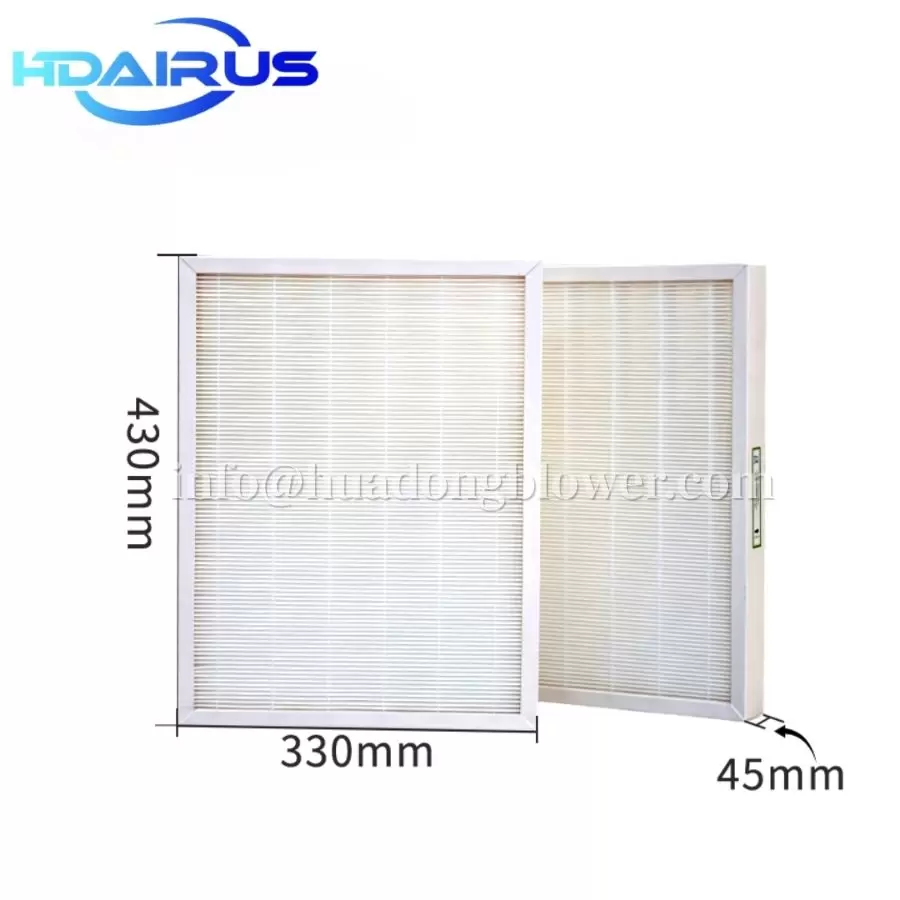
Efficient Intake Filtration: Pond dust and moisture can score the close internal tolerances of the rotors. A heavy-duty air filter silencer is mandatory to scrub intake air before it enters the compression chamber.
HDAirus Manufacturing Excellence and Farm Security
When managing live aquatic crops, asset reliability represents farm security. A 2-hour blower failure can result in total crop mortality. HDAirus manufactures high-end three-lobe Roots blowers within a strict ISO 9001 certified quality framework.
Engineered with high-grade cast iron and precision helical timing gears, our blowers deliver a stable, reliable air supply with minimal maintenance requirements. To support global distribution and ensure compliance with technical safety standards across Southeast Asia, South America, and global markets, all HDAirus blower configurations are fully CE and EAC certified. Protect your investment with industrial-grade air delivery infrastructure built to run without interruption.


 Scan to follow


