
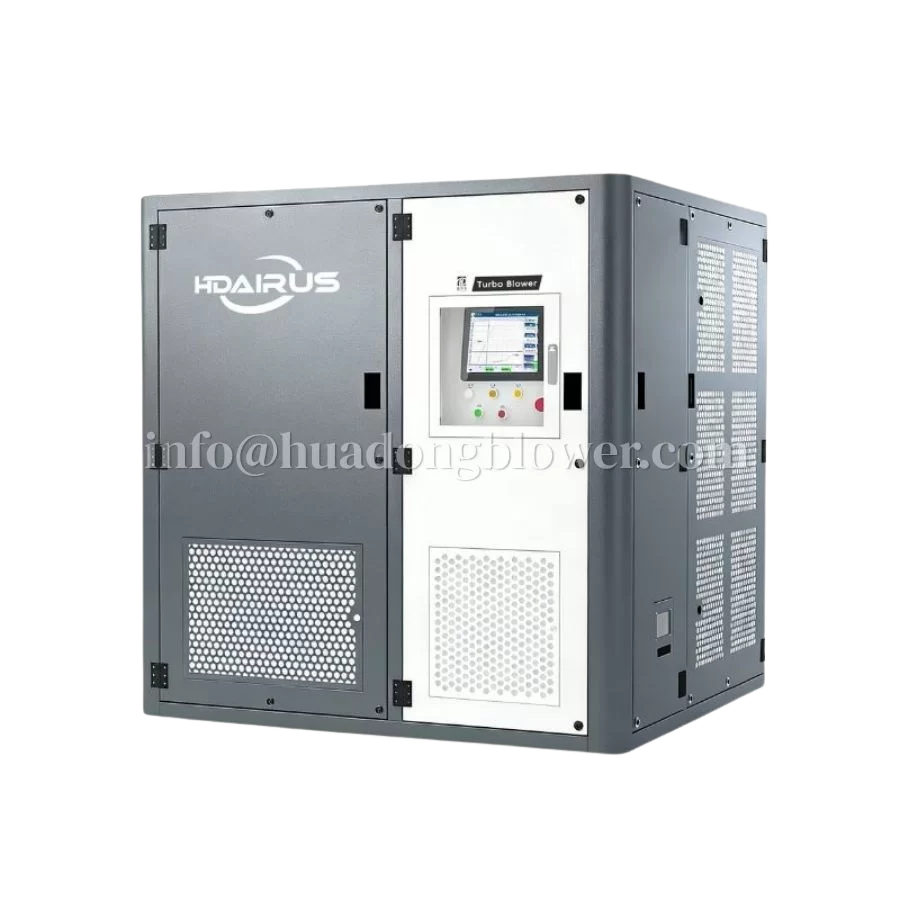
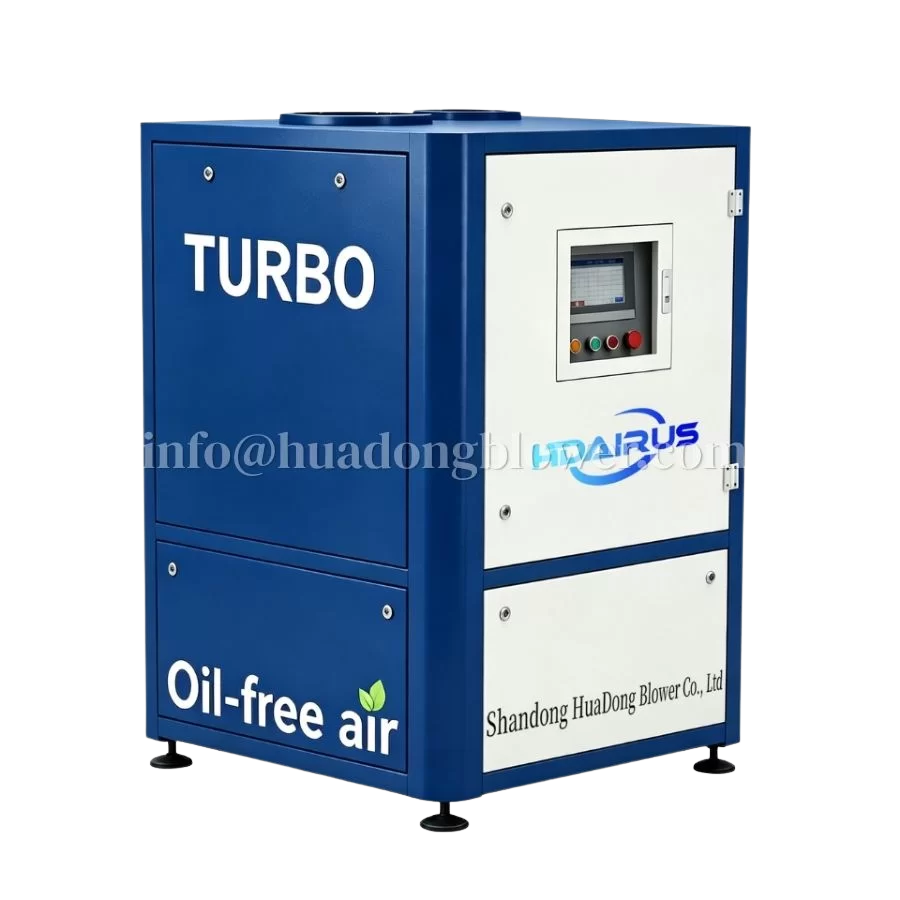
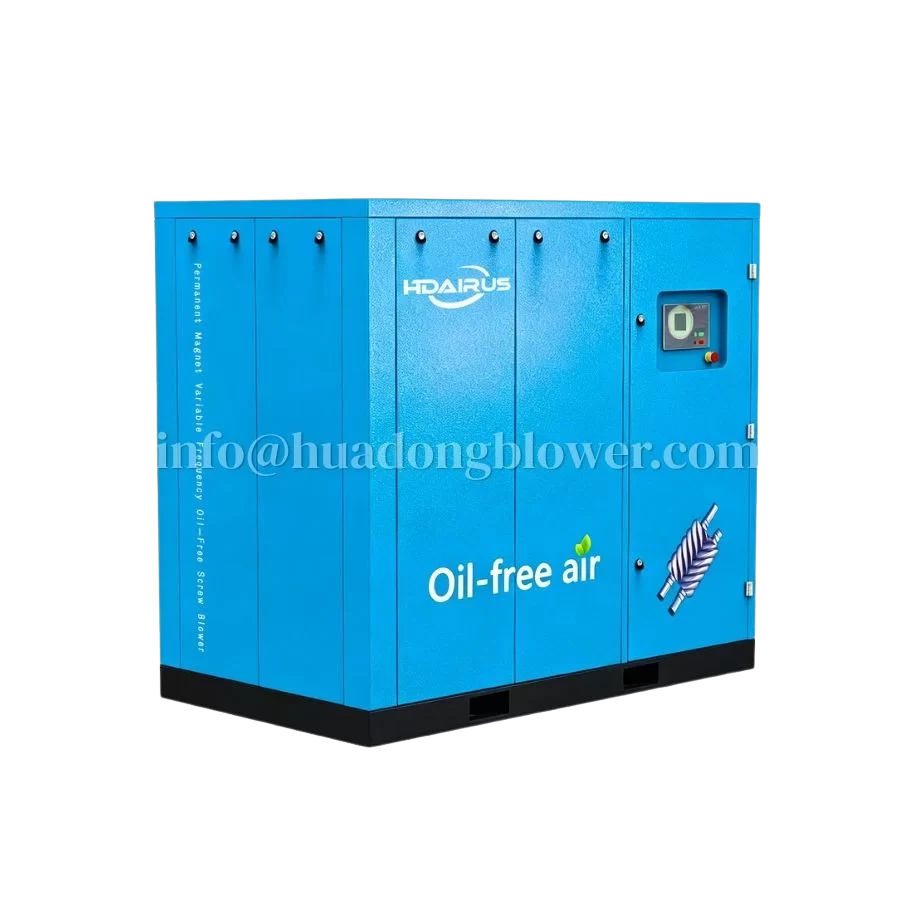
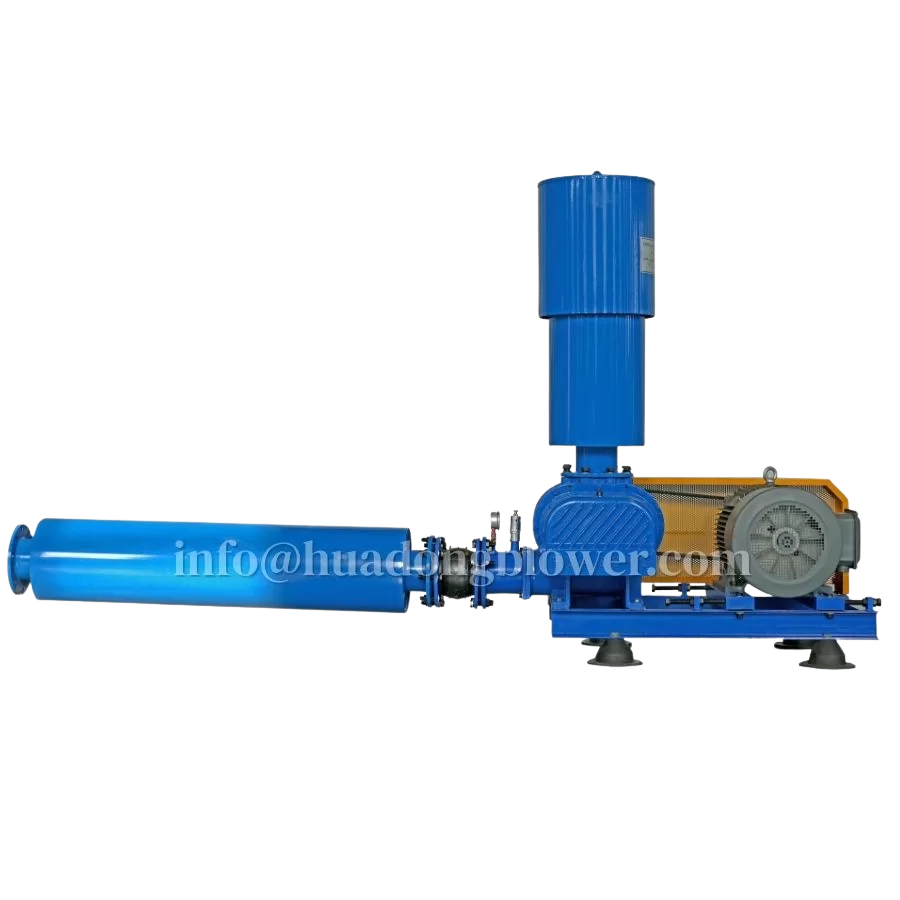
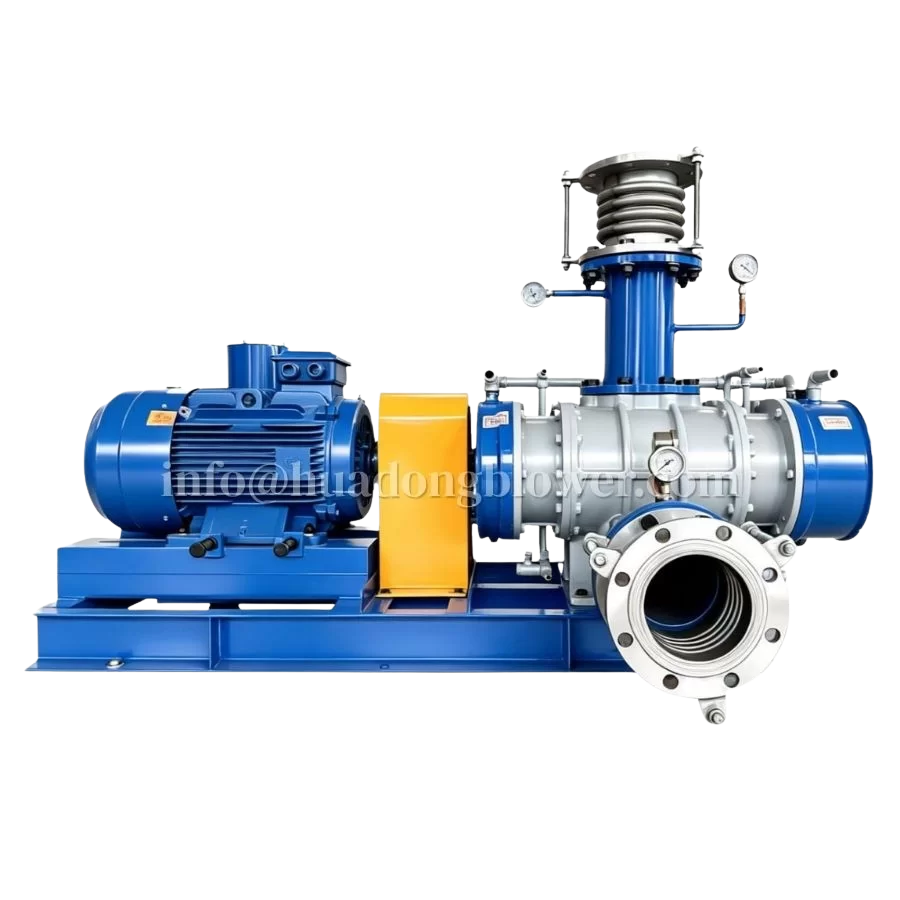




High-speed centrifugal turbo blowers have largely replaced traditional Roots and multi-stage blowers in energy-intensive industrial aeration and process air applications. Both airfoil-bearing (air-bearing) and active magnetic-bearing (maglev) turbo blowers eliminate oil lubrication, remove mechanical gearboxes, and pair permanent magnet synchronous motors (PMSM) with precision 3D impellers to cut power consumption by 25% to 35%.
Despite sharing similar aerodynamic principles, their rotor support technologies create meaningful differences in upfront capital cost (CAPEX), power scaling, environmental tolerance, and electronic complexity. Selecting the right architecture depends on matching bearing mechanics to your plant budget, duty cycle, and operating conditions.
1. Core Mechanical Differences: Air Film vs. Electromagnetic Field
Both technologies achieve frictionless rotation at operating speeds (typically 20,000 to 60,000 RPM), yet they generate rotor levitation through fundamentally different mechanisms.
+-----------------------------------------------------------------------+
| HIGH-SPEED TURBO BLOWER BEARING ARCHITECTURE COMPARISON |
| |
| [ AIRFOIL BEARING TURBO BLOWER ] |
| Rotor Spin ──> Self-Pressurized Air Wedge ──> Passive Lift-Off |
| * Zero bearing electronics * Brief start/stop foil contact |
| |
| [ MAGNETIC BEARING (MAGLEV) TURBO BLOWER ] |
| Position Sensors ──> AMB Controller ──> Electromagnetic Levitation |
| * Levitates at 0 RPM * Requires backup battery/capacitor |
+-----------------------------------------------------------------------+
Airfoil Bearing Mechanics
Passive Hydrodynamic Lift: Compliant metal foils coated with solid lubricants support the shaft at rest. Once rotational speed crosses a lift-off threshold, air drawn into the wedge-shaped gap self-pressurizes and lifts the shaft onto a thin air cushion.
Simple Control Architecture: Because levitation is purely aerodynamic, no displacement sensors, electromagnetic coils, or auxiliary bearing power supplies are required.
Active Magnetic Bearing (Maglev) Mechanics
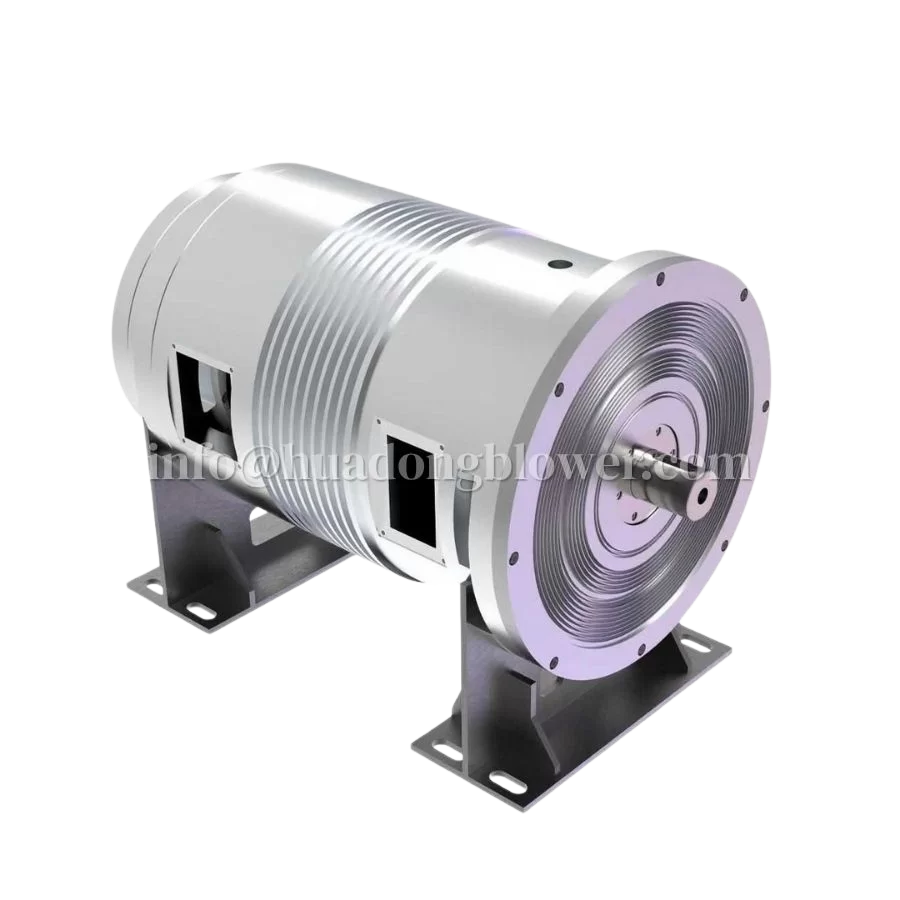
l Active Electromagnetic Control: Eddy-current position sensors monitor shaft displacement thousands of times per second, sending signals to a digital controller that adjusts current in surrounding electromagnets to hold the rotor centered at zero speed and full load.
l Zero Contact at Any Speed: The shaft levitates before rotation begins and remains suspended during coast-down, supported by backup batteries or touch-down bearings in the event of a sudden power outage.
2. Head-to-Head Comparison: Budget, Power, and Plant Conditions
Evaluation Factor | Air-Bearing Turbo Blowers | Magnetic-Bearing (Maglev) Turbo Blowers |
Upfront CAPEX | Lower initial investment; simpler mechanical and electronic bill of materials. | Higher initial investment due to active magnetic bearing controllers, sensors, and backup power modules. |
Typical Power Range | Best suited for small to medium capacities (commonly 15 kW to 300 kW). | Excels across medium to heavy capacities (commonly 75 kW to 1,000+ kW). |
Start/Stop Frequency | Solid-lubricant foil coatings handle thousands of start/stop cycles, though continuous duty maximizes foil life. | Zero contact during start/stop; unaffected by frequent cycling. |
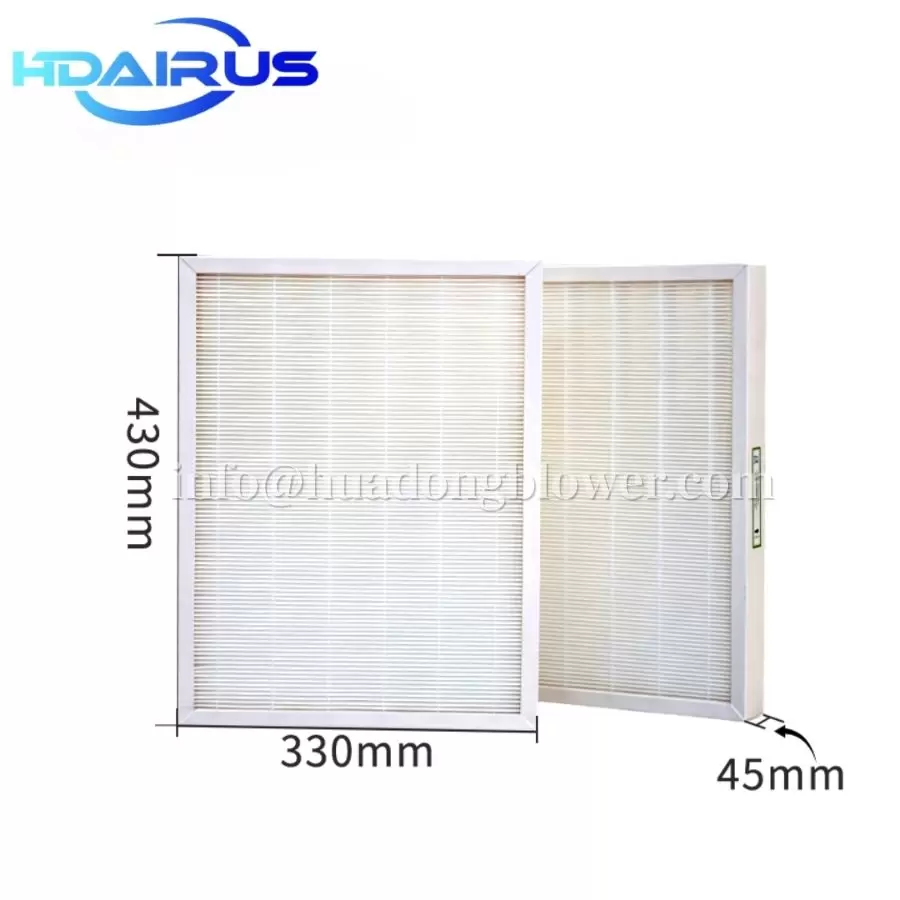
Environmental Tolerance | Requires clean intake filtration; sensitive to fine dust or moisture entering bearing cooling air paths. | Sealed bearing housings offer strong protection against high humidity, dust, and corrosive ambient air. |
Maintenance & Complexity | Primarily periodic intake air filter replacement; minimal electronic failure points. | Filter maintenance plus periodic inspection of AMB controller electronics and backup capacitors/batteries. |
3. Matching the Blower to Your Plant Profile
When to Choose an Air-Bearing Turbo Blower
l CAPEX-Sensitive Upgrades: Facilities seeking rapid payback when replacing legacy Roots or multi-stage blowers without stretching capital budgets.
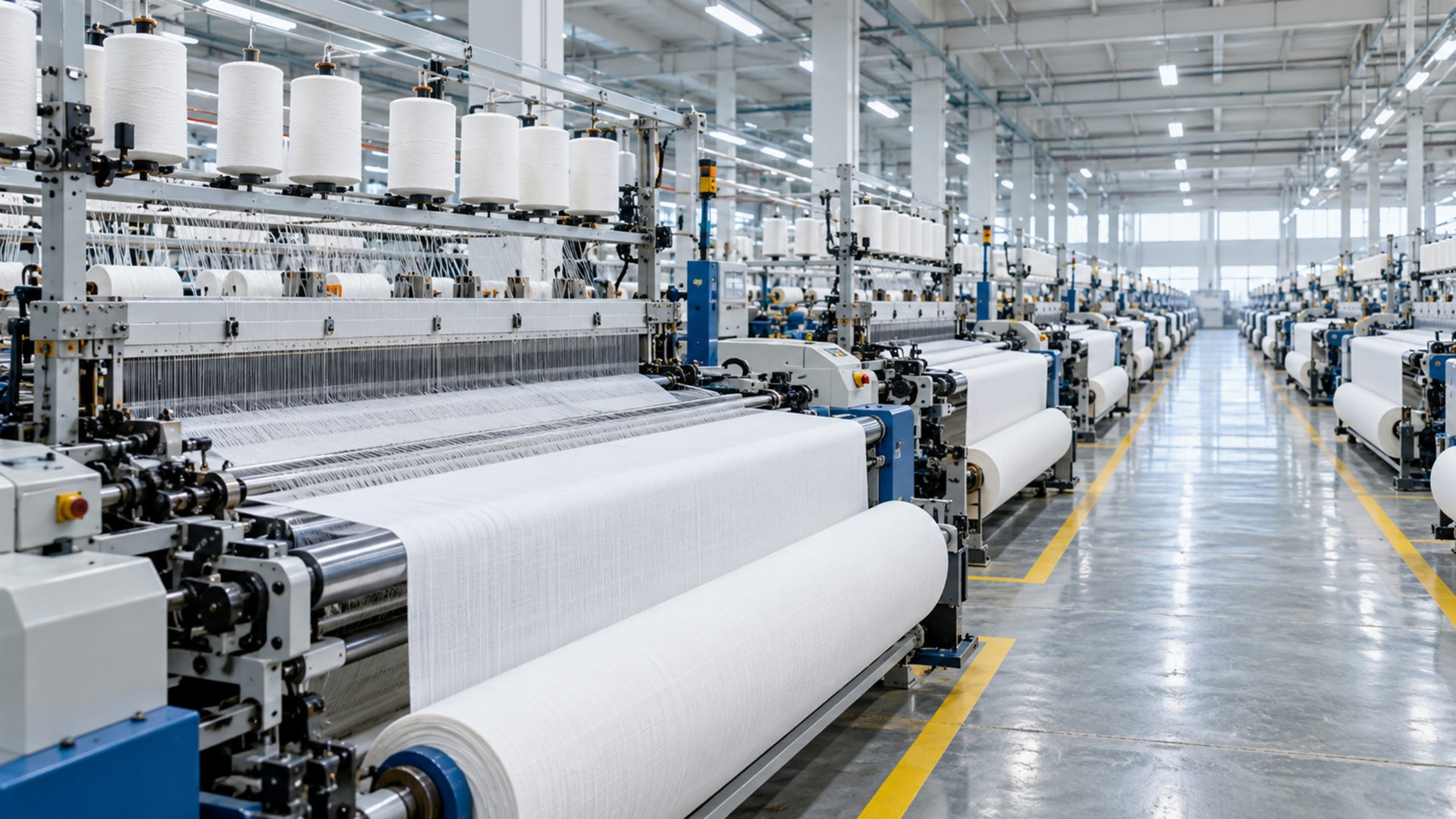
l Standard Municipal & Industrial Aeration: Wastewater treatment plants, textile dyeing basins, and fermentation lines operating steadily in the 15 kW to 300 kW range.
l Preference for Mechanical Simplicity: Plants with smaller electrical maintenance teams that prefer straightforward VFD and PLC troubleshooting over specialized magnetic bearing electronics.
When to Choose a Magnetic-Bearing Turbo Blower
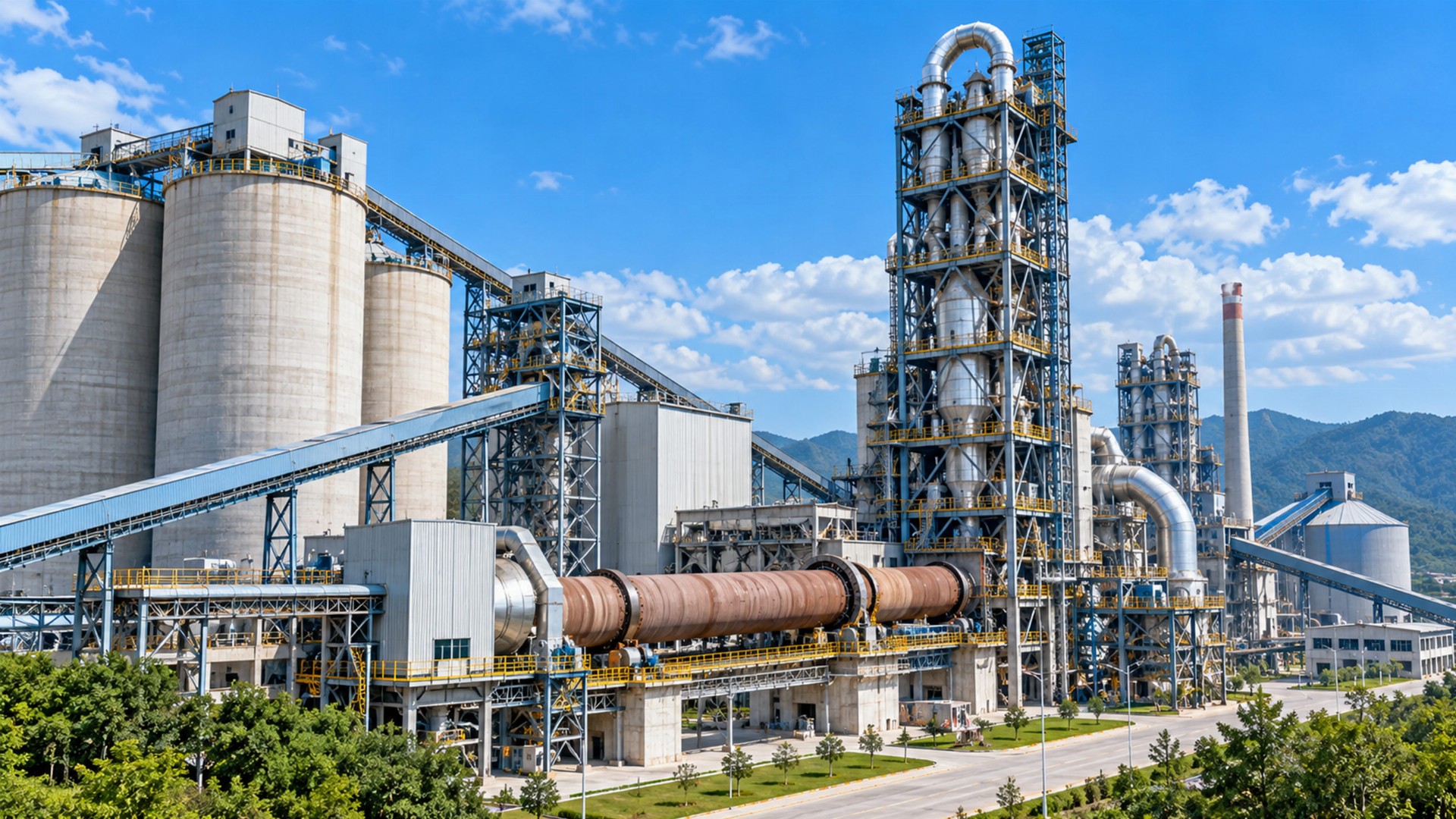
l High-Power, Heavy-Duty Processes: Large municipal WWTPs, cement plants, power plant flue gas desulfurization (FGD), and petrochemical facilities requiring 300 kW to over 1,000 kW per unit.
l Frequent Start/Stop Batch Cycles: Industrial processes with wide daily load swings where blowers cycle on and off multiple times per day.
l Harsh Ambient Environments: Facilities with high ambient dust, elevated humidity, or coastal salt air where sealed electromagnetic housings protect internal components.
4. Engineering Solutions from Shandong Huadong Blower Co., Ltd.
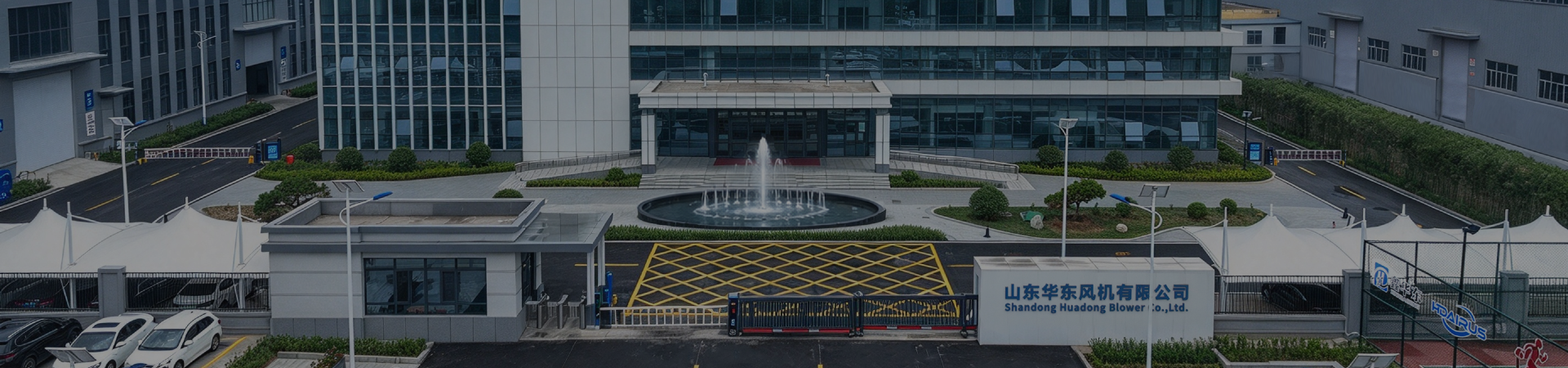
Shandong Huadong Blower Co., Ltd. manufactures both airfoil-bearing and active magnetic-bearing turbo blowers at its 100,000 square meter smart manufacturing facility in Zhangqiu, Jinan, Shandong, featuring 70,000 square meters of specialized workshop space. Offering both technologies under the HDAirus brand allows engineers to recommend objective, application-matched equipment rather than forcing a single platform.
HDAirus Dual-Platform Capabilities
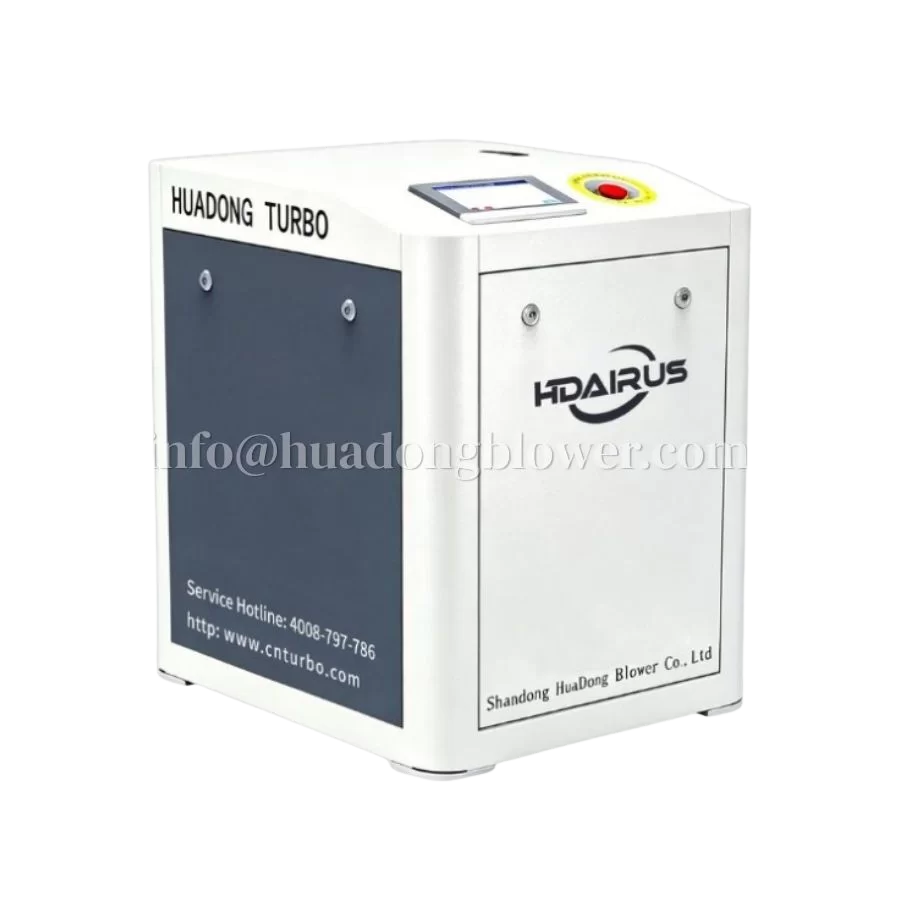
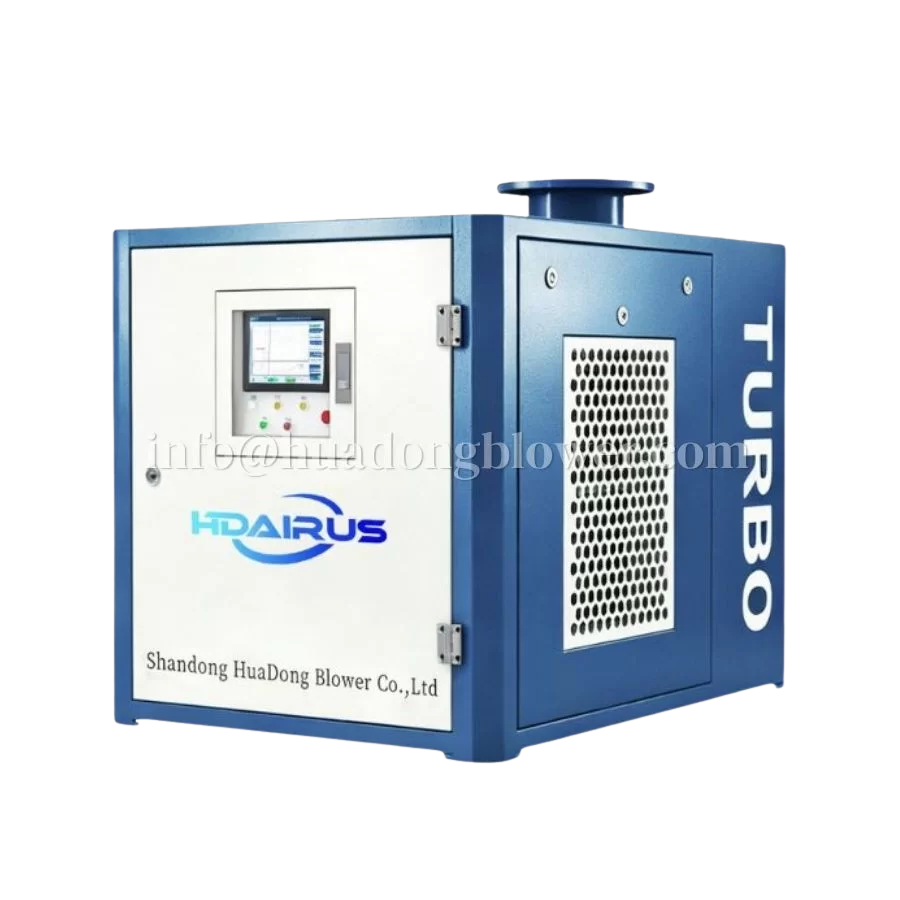
l HDAirus Air-Bearing Series (HKB / HKG): Engineered with high-temperature self-lubricating foil coatings, precision CNC impellers, and compact acoustic enclosures for cost-effective, oil-free efficiency.
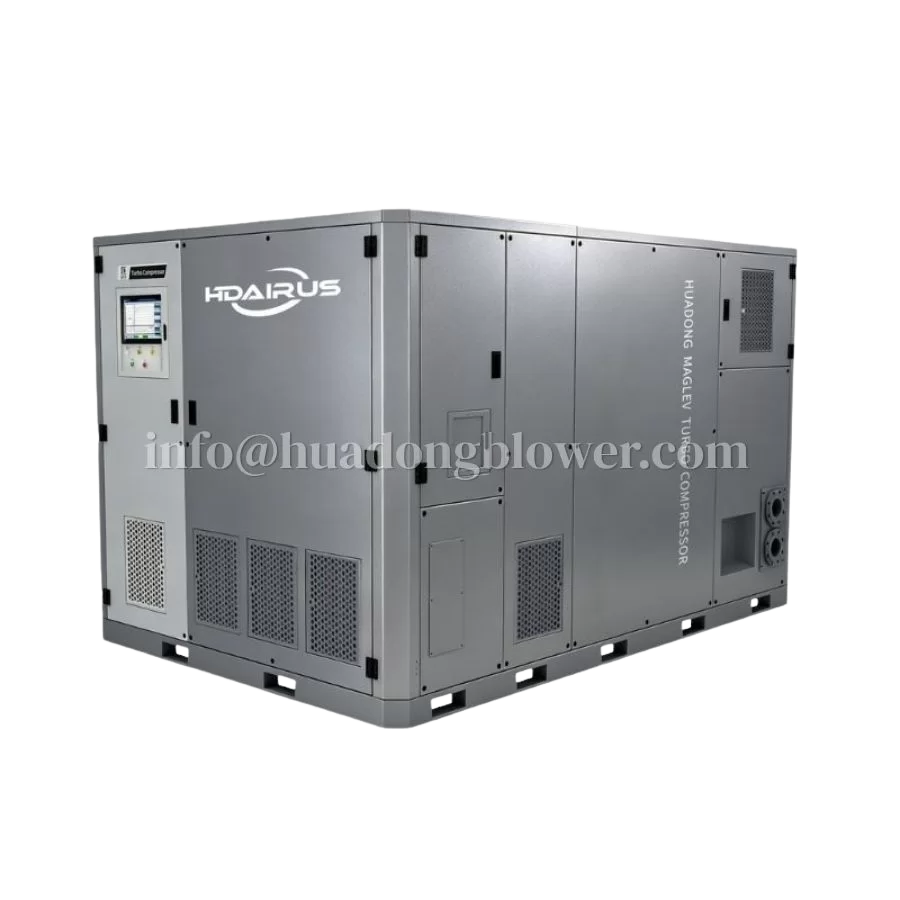
l HDAirus Maglev Series (HMGB): Equipped with multi-axis active magnetic bearings, real-time rotor diagnostics, and redundant power-loss protection for high-horsepower continuous industrial duty.
l Unified Skid & SCADA Integration: Both series ship as factory-tested turnkey skids with PLC touchscreens, surge protection, and industrial communication interfaces for seamless plant integration.
Evaluating your required airflow, discharge pressure, ambient conditions, and capital budget ensures you select the HDAirus high-speed turbo blower platform that delivers the lowest total cost of ownership.

 Scan to follow

