



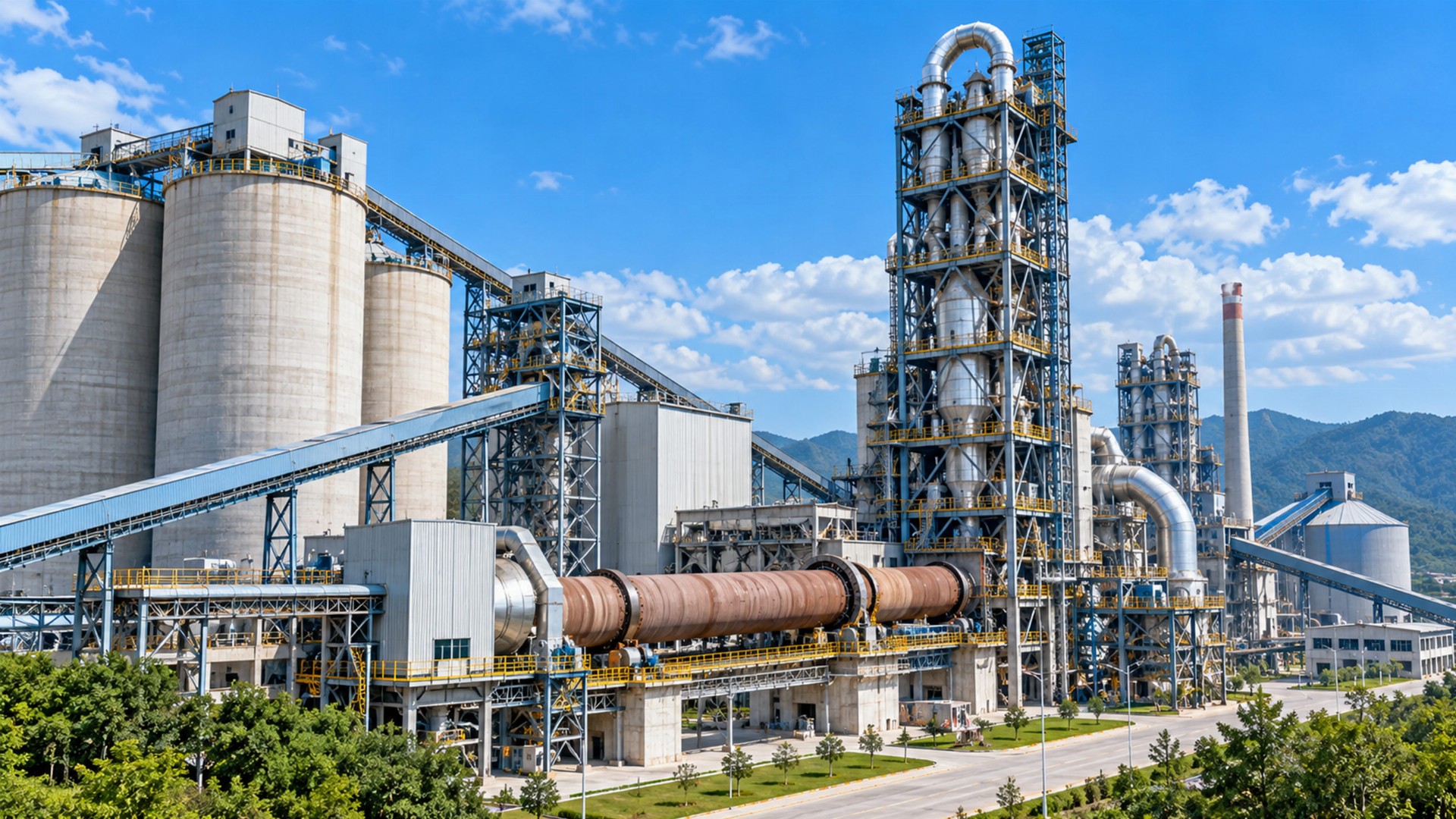
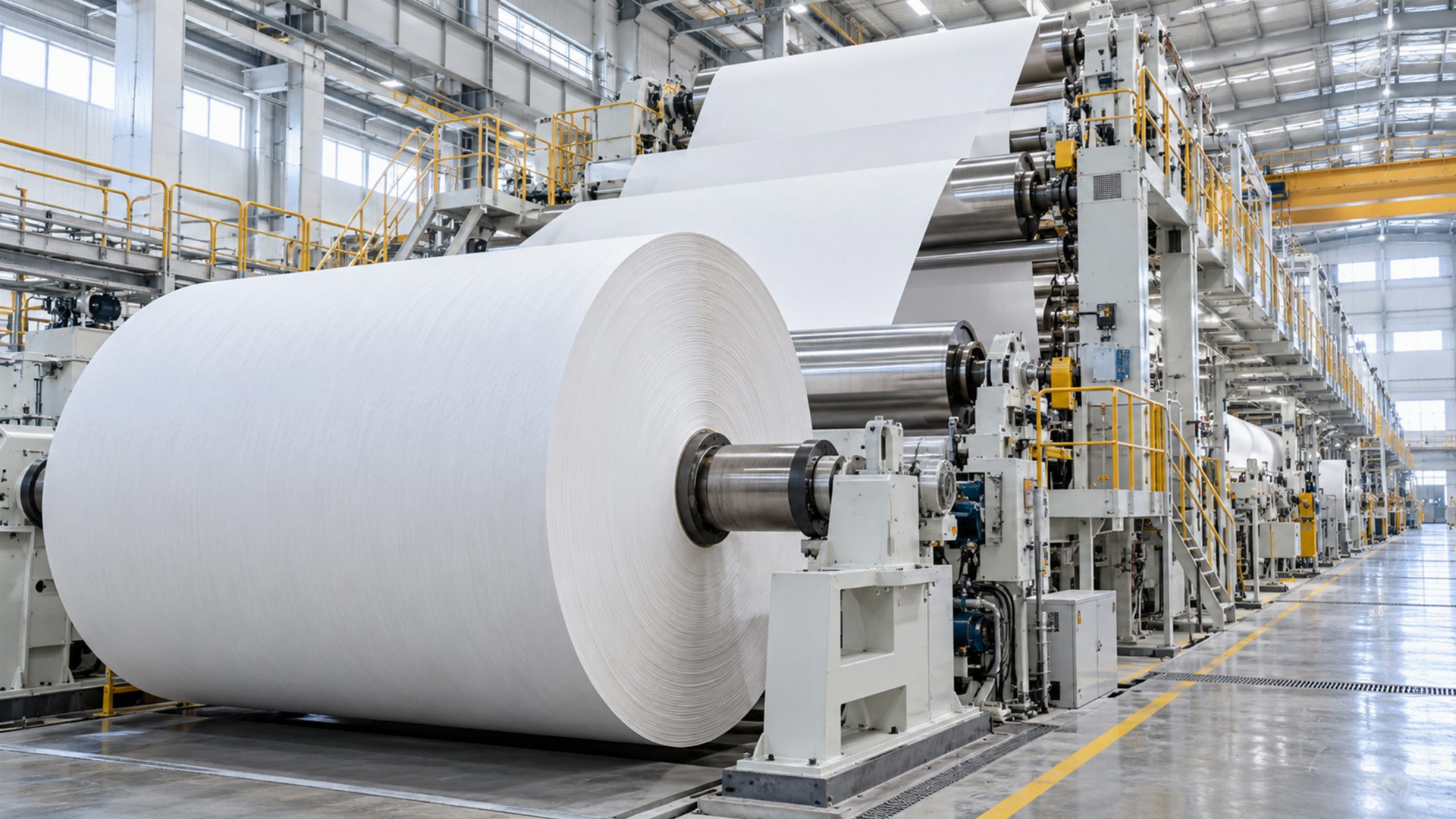

In the pulp and paper industry, black liquor concentration is a vital process that recovers chemicals and energy from wood pulping.
However, traditional evaporators used for concentrating black liquor consume large amounts of steam and fuel.
This makes the process both expensive and carbon-intensive.
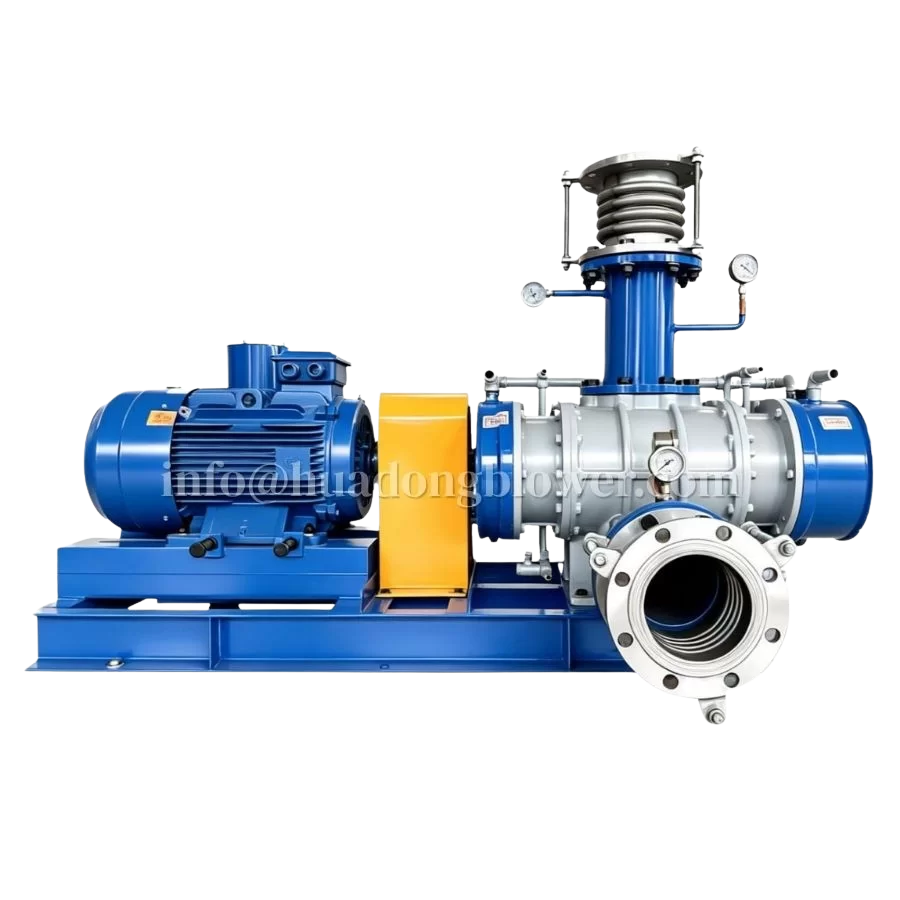
Mechanical Vapor Recompression (MVR) technology provides a smart, energy-efficient alternative that supports cleaner and more sustainable paper production.
Understanding Black Liquor Concentration
Black liquor is a byproduct of the kraft pulping process.
It contains lignin, organic materials, and chemicals that can be reused for energy recovery.
Before reuse, the black liquor must be concentrated through evaporation to increase its solids content.
Conventional multi-effect evaporators rely heavily on fresh steam, which increases energy costs and carbon emissions.
MVR systems solve this by recycling vapor energy.
How MVR Steam Compression Works
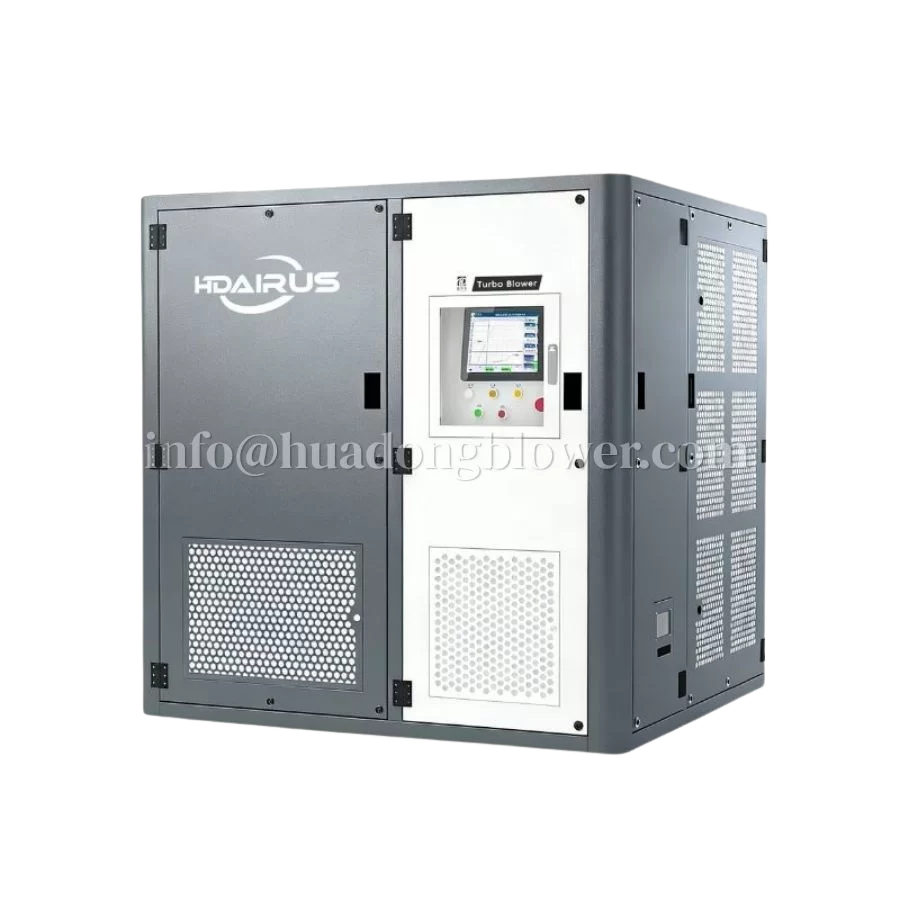
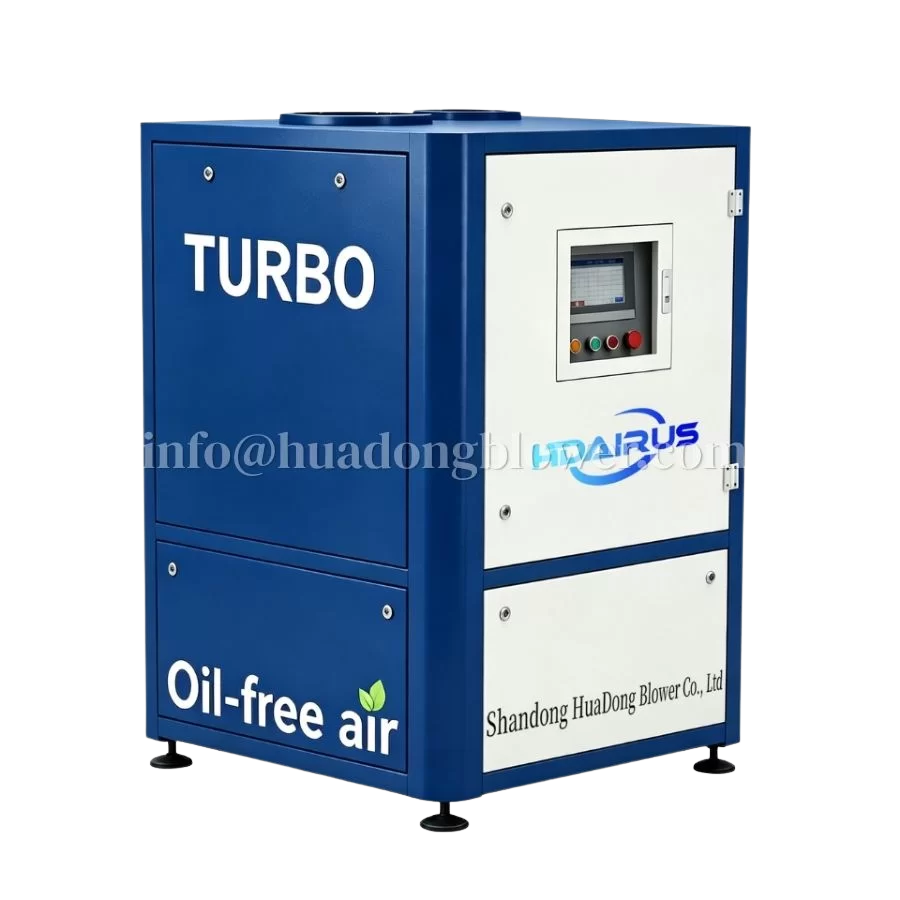
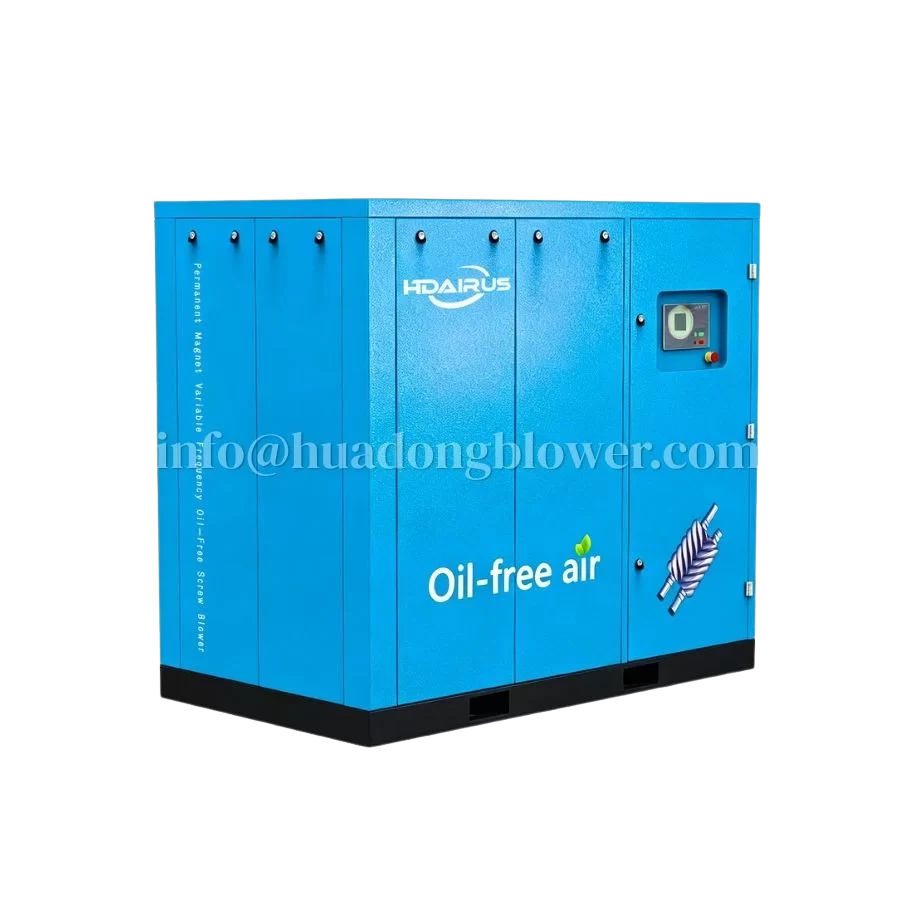
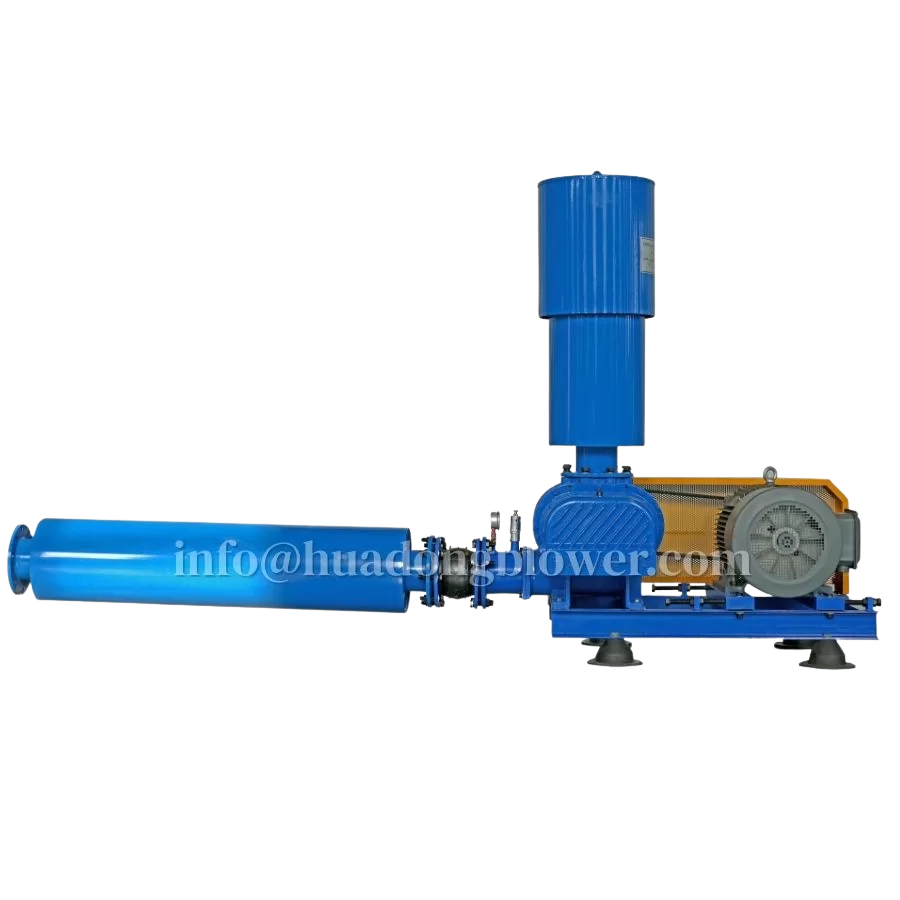
MVR steam compression captures the vapor generated during evaporation and compresses it to a higher temperature and pressure.
The recompressed vapor is then reused as a heating source for continuous evaporation.
This cycle reduces the need for external steam by up to 90%, saving energy and lowering greenhouse gas emissions.
Benefits of MVR Steam Compressors in Pulp & Paper Mills
1. Energy Efficiency
MVR technology drastically cuts steam consumption, improving energy utilization and reducing dependence on fossil fuels.
2. Lower Carbon Emissions
By recycling waste vapor, mills can significantly reduce CO₂ emissions and move closer to carbon neutrality.
3. Cost Savings
Reduced energy usage and improved heat recovery lower operating costs, offering a fast return on investment.
4. Stable and Reliable Operation
MVR compressors deliver consistent heat, ensuring stable black liquor concentration even under fluctuating loads.
5. Support for Green Manufacturing
Integrating MVR systems helps paper mills meet environmental standards and corporate sustainability goals.
Real-World Application
Several pulp and paper mills have replaced old evaporators with MVR-based systems. The results include:
60–80% reduction in energy consumption
30–50% lower CO₂ emissions
Enhanced process stability and maintenance efficiency
These improvements not only make operations cleaner but also more cost-effective.
Conclusion
MVR steam compression is revolutionizing black liquor concentration in pulp and paper mills. By reusing vapor energy, it lowers fuel use, reduces emissions, and boosts sustainability. As the industry moves toward carbon neutrality, MVR technology is becoming a key solution for efficient and eco-friendly production.


 Scan to follow


