



Chemical processing plants rely on stable vacuum systems.
Many steps require clean, steady, and reliable vacuum performance.
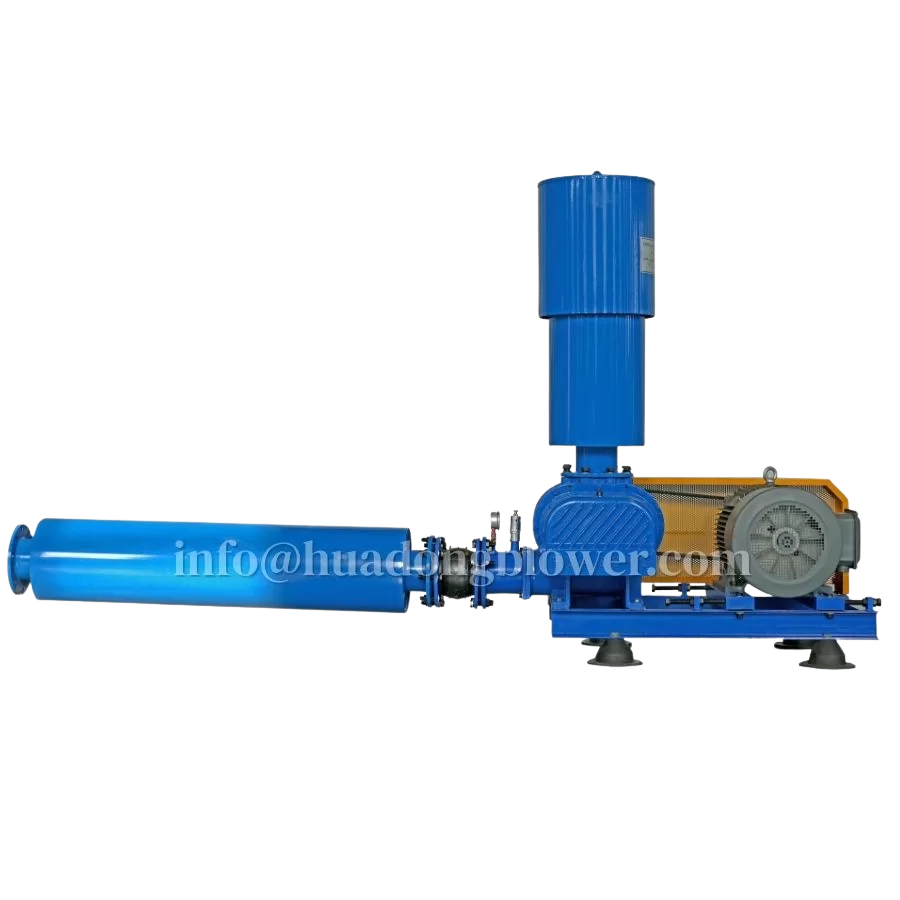
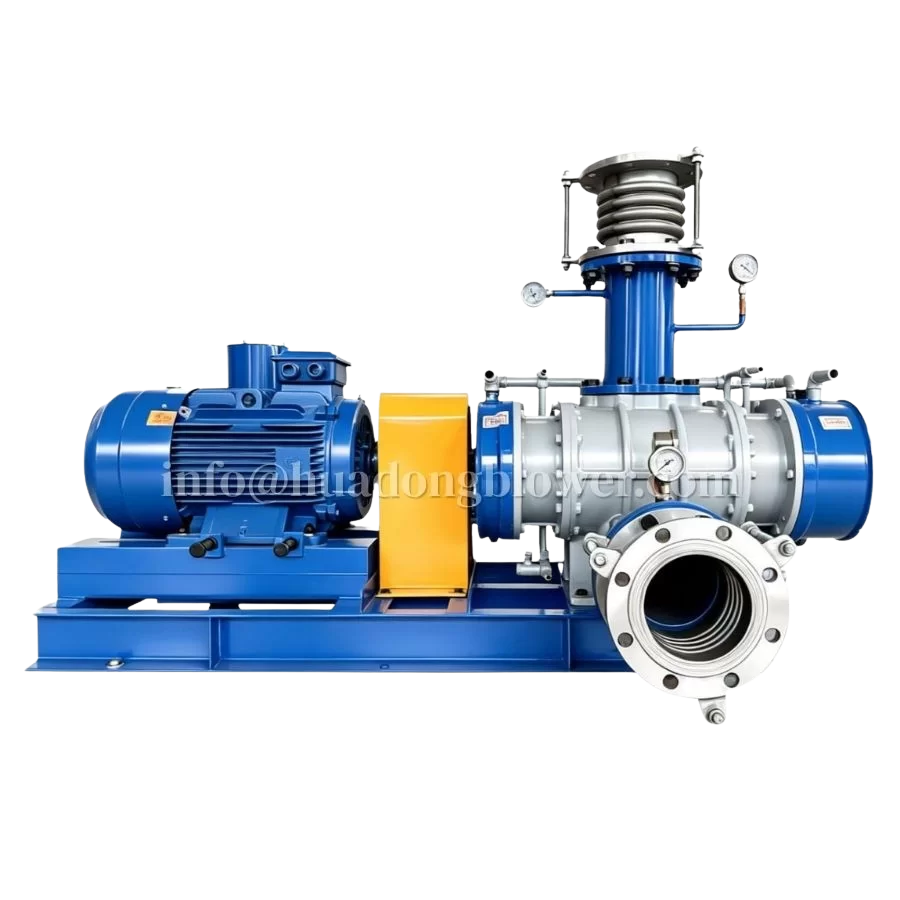
Roots vacuum pumps are widely used because they can handle harsh gases and maintain strong pumping speed.
To keep them running safely and efficiently, regular maintenance is essential.
This guide presents a clear checklist for daily, weekly, and long-term service.
Why Maintenance Matters in Chemical Processing
Chemical environments can be demanding.
Corrosive vapors, fine particles, and high temperatures all stress the pump.
Without proper maintenance, the pump may lose efficiency, overheat, or fail.
A simple maintenance plan helps prevent breakdowns, protects product quality, and reduces downtime.
Daily Inspection Checklist
Operators should check the pump every day.
Simple checks prevent small problems from becoming serious issues.
Check for unusual noise.
Check for vibration.
Inspect inlet and outlet connections.
Look for leaks around seals and flanges.
Verify cooling and airflow around the pump.
Confirm that vacuum levels reach the expected range.
These daily steps ensure stable vacuum performance in production lines.
Weekly Maintenance Checklist
Weekly checks help identify early signs of wear in chemical environments.
Check oil level in the backing pump (if used in combination).
Inspect filters and clean them if needed.
Check belt tension for belt-driven models.
Inspect hoses and valves for corrosion.
Remove any chemical residue from the pump surface.
Regular cleaning helps avoid corrosion and maintains heat dissipation.
Monthly and Long-Term Maintenance
Longer maintenance intervals prevent performance loss and extend pump life.
Check rotor clearances if the pump shows reduced capacity.
Inspect internal surfaces for corrosion or deposit buildup.
Replace worn seals and gaskets.
Check motor alignment and bearing condition.
Verify safety devices, such as pressure relief valves.
Test vacuum performance to ensure the pump still meets process requirements.
For chemical applications, it is also important to check compatibility of materials and consider upgrading sealing systems if the process gas is aggressive.
Preventing Chemical Damage
Chemical vapors can attack the pump housing, rotors, or seals.
To reduce damage:
Use corrosion-resistant coatings when required.
Install gas ballast or purge systems to reduce vapor condensation.
Ensure proper pre-filtration for dusty or particulate gases.
Avoid running the pump at high temperatures for long periods.
These steps protect the pump and improve reliability.
Signs That Service Is Needed
Operators should act quickly if they notice:
Slow pumping speed
Rising operating temperature
Strange noise or metal contact
Oil contamination in backing pump
Frequent system leaks
Early intervention prevents serious damage and costly shutdowns.
Why Choose HDAirus Roots Vacuum Pumps for Chemical Processes
HDAirus offers Roots vacuum pumps designed for demanding chemical environments.
Our pumps feature strong sealing, corrosion-resistant materials, and stable performance under high loads.
They are ideal for vacuum distillation, solvent recovery, drying, degassing, and other chemical processing steps.
With simple maintenance and durable construction, HDAirus pumps help reduce downtime and keep production running smoothly.


 Scan to follow


