
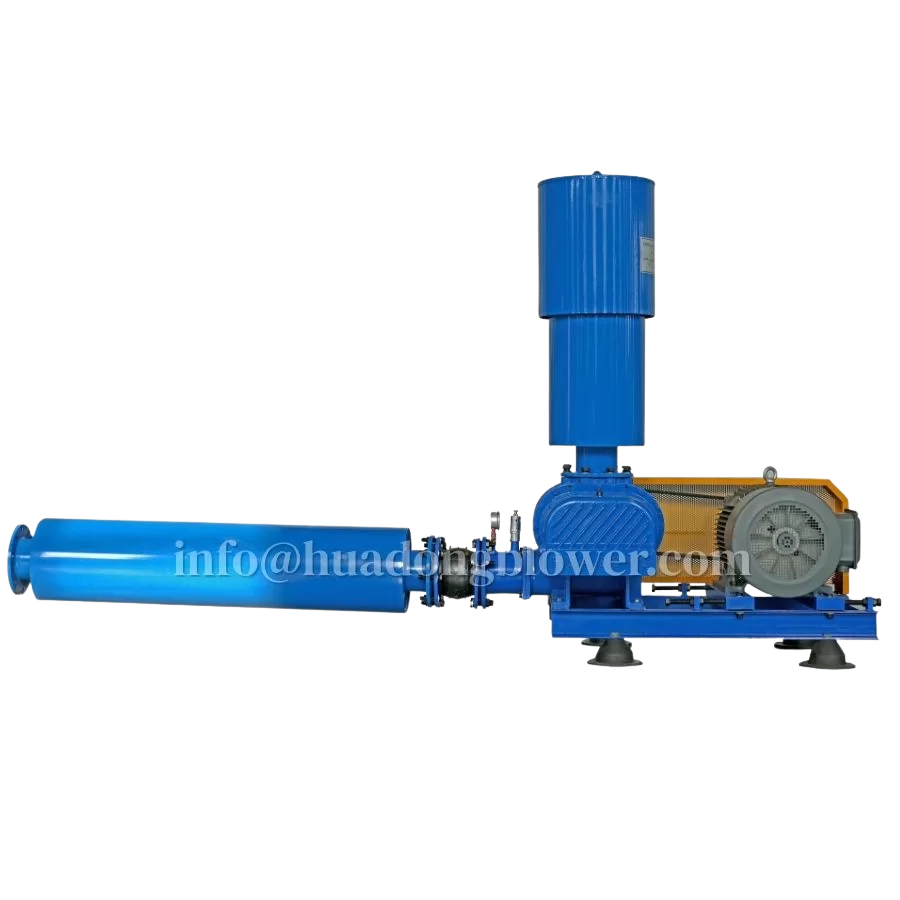
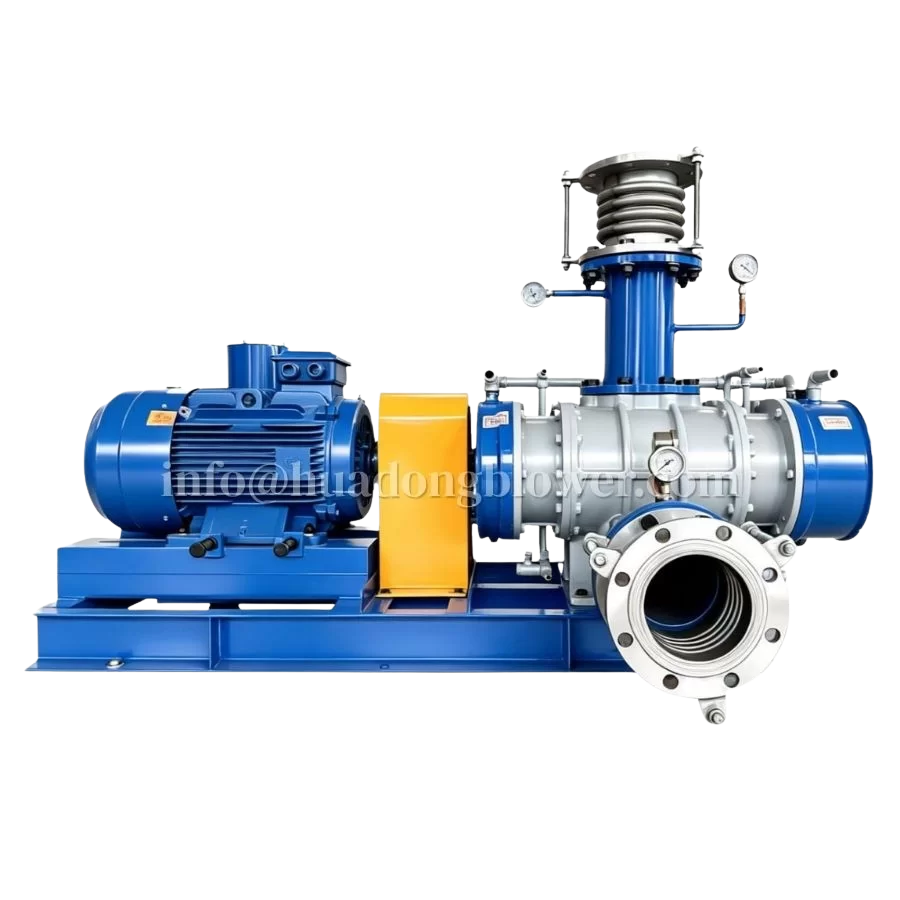








Roots blowers are reliable workhorses in numerous industrial processes. As a significant capital investment, maximizing their lifespan not only lowers the Total Cost of Ownership (TCO) but also minimizes unplanned downtime, ensuring production continuity. Fortunately, by implementing key operational and maintenance practices, you can significantly extend the lifespan of your Roots blower. This article shares 10 practical tips to help you achieve this goal.
Tip 1: Ensure Proper Installation - A Solid Foundation
A good start is half the battle. Improper installation is a common cause of early failures. Always:
Follow the manufacturer's guidelines for foundation work, leveling, and piping connection.
Use vibration pads/shock absorbers to dampen vibrations and prevent transmission to the blower and foundation.
Ensure all piping is adequately supported to avoid stress on the blower flanges.
Connect flexible connectors to compensate for pipe thermal expansion and minor misalignment.
Tip 2: Maintain Clean Intake Air - Protecting the Core
Inhaled air containing dust and particles acts like sandpaper, wearing down the rotors/impellers and casing, leading to increased clearances, reduced efficiency, and eventual failure.
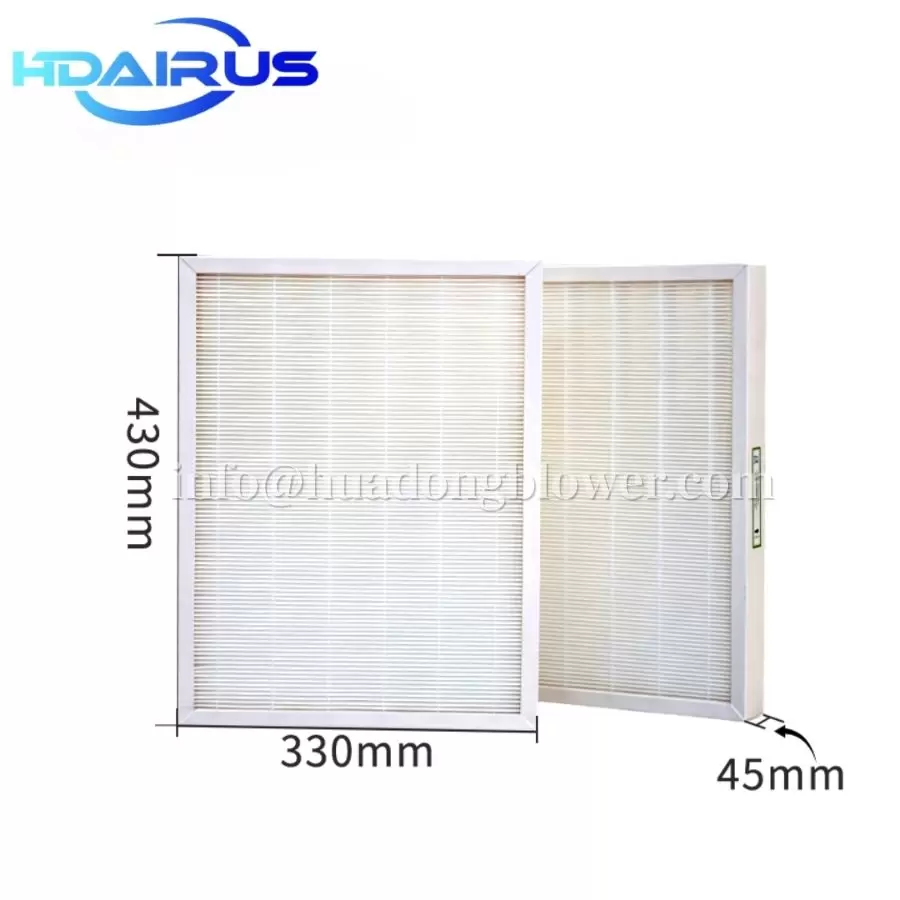
Always install and maintain a high-quality intake air filter.
Clean or replace filter elements regularly based on ambient dust concentration (refer to differential pressure gauge or maintenance schedule).
In dusty environments, consider higher filtration grades (e.g., F9) or pre-filters.
Tip 3: Lubrication is the Lifeline - Do it Right
Proper lubrication is critical for reducing friction, dissipating heat, and preventing wear.
Strictly use the lubricant type and grade recommended by the manufacturer (oil or grease).
Adhere to the prescribed oil change intervals and refill quantities. Over-lubrication is as detrimental as under-lubrication.
Keep the oil reservoir or grease points clean to prevent contamination.
Periodically check the lubricant condition (color, viscosity, presence of contaminants).
Tip 4: Monitor Operating Temperature - Avoid Heat Damage
Overheating accelerates lubricant degradation, causes component deformation, and leads to seal failure.
Regularly check bearing temperatures and discharge air temperature.
Ensure cooling systems (e.g., air coolers, water cooling jackets) are clean and functioning, with fins unobstructed.
Provide adequate cooling airflow around the blower; avoid placement in enclosed, hot spaces.
High temperatures are often a symptom of other issues (overload, poor lubrication, clogged filter) and warrant investigation.
Tip 5: Listen to Sounds & Vibrations - Early Warning Signs
Unusual noise or vibration is often a precursor to mechanical problems.
Familiarize yourself with the normal "sound signature" of your blower.
Conduct simple auditory and tactile checks regularly. Listen for knocking, grinding, screeching, or unusual vibrations felt by hand.
Employ vibration analyzers for more professional periodic monitoring (if available).
Investigate the root cause immediately upon detecting abnormalities.
Tip 6: Maintain Correct Belt Tension (If Applicable)
For belt-driven Roots blowers, belt tension is critical.
Over-tightened belts place excessive load on bearings, leading to premature failure.
Loose belts slip, generate heat, wear rapidly, and cause insufficient speed.
Regularly check and adjust belt tension according to the manufacturer's specifications (often using a tension gauge).
Inspect belts for wear, cracks, or oil contamination, and replace them in sets when necessary.
Tip 7: Prevent Overload Operation - Work Within Capacity
Continuous operation beyond the designed pressure or temperature limits severely shortens Roots blower lifespan.
Ensure the system is well-designed and the blower is correctly sized to meet actual demand without exceeding limits.
Monitor system pressure gauges to ensure operating pressure stays below the Maximum Allowable Working Pressure (MAWP) marked on the blower's nameplate.
Prevent accidental closure of outlet valves or severe pipeline blockages, which cause instantaneous overpressure (the safety valve should activate in such cases).
Tip 8: Implement a Preventive Maintenance Schedule - Be Proactive
Don't wait for failure to strike. Preventive Maintenance (PM) is the cornerstone of extending equipment life.
Develop a detailed maintenance schedule based on the manufacturer's manual and usage intensity (operating hours/environment).
The schedule should include: regular lubrication, filter replacement, belt inspection/replacement, bolt tightening checks, cooling system cleaning, and general visual inspections.
Keep complete maintenance records to track history and predict future needs.
Tip 9: Keep It Clean Overall - Details Matter
Accumulated dust, oil grime, and debris impede heat dissipation, corrode components, and can find their way into critical areas.
Regularly clean the external surfaces of the blower to remove dust and oil (use appropriate cleaners, avoid damaging electrical parts).
Keep the area around the equipment tidy and free of clutter.
Clean cooling fan blades and heat sink fins to ensure efficient cooling.
Tip 10: Professional Overhaul & Timely Upgrades
Even with good maintenance, key components (bearings, seals, gears) gradually wear over time and operating hours.
Schedule periodic professional overhauls by qualified technicians based on operating hours or manufacturer recommendations. Overhauls involve inspection, clearance measurement, replacement of worn parts, and recalibration.
Consider technological upgrades, such as replacing older blowers with more efficient tri-lobe Roots blowers or adding a Variable Frequency Drive (VFD) for smart control and energy savings (saving energy also reduces thermal load, indirectly extending life).
Conclusion: Long-Term Value Outweighs Short-Term Savings
Implementing these 10 practical tips requires an investment of time and resources, but the returns are substantial: significantly extended Roots blower lifespan, greatly reduced maintenance costs, higher operational reliability, and optimized Total Cost of Ownership. Treat equipment maintenance as a strategic investment, not merely an expense.
Ready to get a customized maintenance plan for your specific Roots blower or learn about our long-lasting tri-lobe Roots blowers?
Shandong huadong blower Co.,Ltd is your reliable Roots Blower Partner!


 Scan to follow


