

In modern petroleum refineries, Fluid Catalytic Cracking (FCC) and continuous catalyst regeneration (CCR) units form the primary processing engine for converting heavy crude fractions into high-value transportation fuels. Over continuous operational cycles, active catalyst beads accumulate carbonaceous coke deposits on their porous surface. This coke buildup covers catalytic active sites, degrading cracking yield and altering thermal balance.
Restoring catalyst activity requires controlled high-temperature oxidation—burning off carbon deposits in a dedicated regenerator vessel. Delivering precise, unvarying volumes of air against high reactor backpressure is critical to maintaining uniform combustion without causing thermal shock or sintering delicate catalyst structures. Positive displacement blowers serve as the primary air delivery mechanism, providing stable volumetric displacement and reliable operation.
1. Combustion Kinetics and Air Demand in Catalyst Regenerators
The regeneration process converts solid carbon deposits (C) into carbon dioxide (CO2) and carbon monoxide (CO) at temperatures ranging between 650°C and 750°C. Maintaining the exact stoichometric ratio of oxygen inside the fluid bed prevents incomplete combustion and thermal runaway.
+-----------------------------------------------------------------------+
| REFINERY CATALYST REGENERATION |
| |
| [ Ambient Air Ingress ] ──> [ Positive Displacement Blower ] |
| │ |
| ▼ |
| [ Spent Catalyst ] ───────> [ Regeneration Vessel ] ──> [ Cleaned ] |
| (Coke Covered) (650°C - 750°C Bed) (Catalyst) |
| │ |
| ▼ |
| [ Flue Gas / Energy Recovery ] |
+-----------------------------------------------------------------------+
Critical Combustion Control Requirements
Oxygen Availability: Insufficient air leads to partial carbon burn-off, returning partially deactivated catalyst to the riser and dropping cracking performance.
Thermal Runaway Prevention: Excess oxygen surges can cause localized hot spots exceeding 800°C, irreversibly damaging the synthetic zeolite pore structures.
Constant Flow Against Fluctuating Head: As catalyst bed fluidization density and flue gas pressure fluctuate, the air supply source must maintain stable delivery without stalling or surging.
2. Technical Superiority of Positive Displacement Blowers in Air Ingress
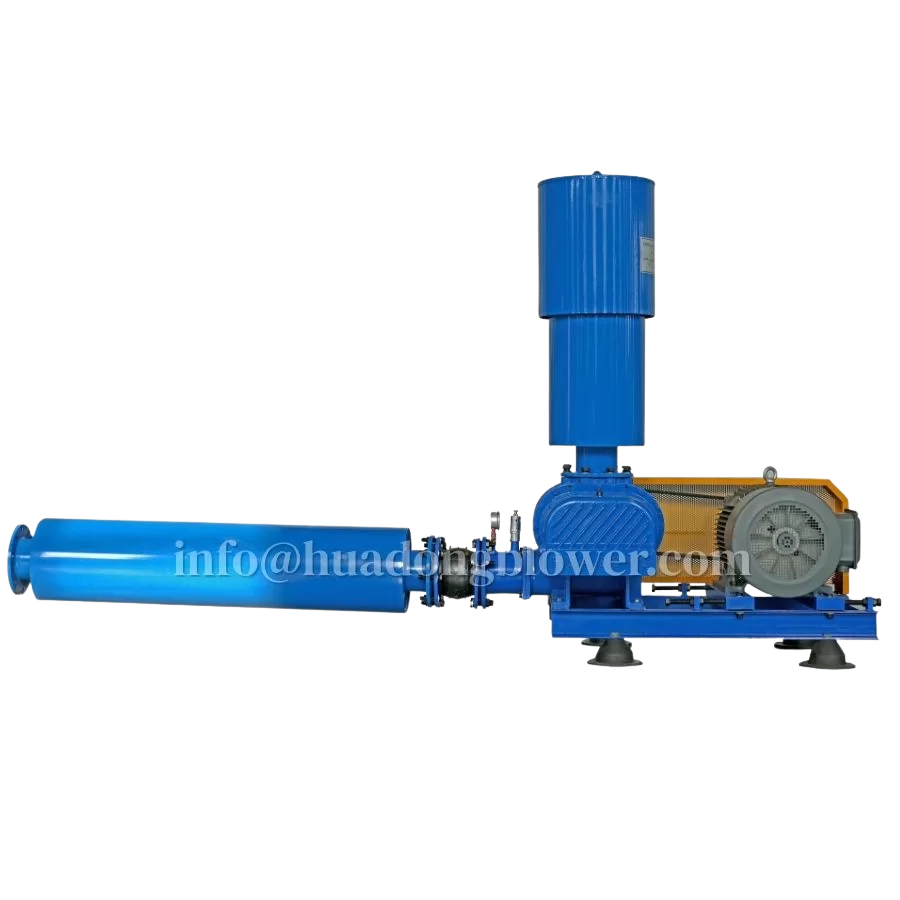
Positive displacement blowers operate on a fixed volumetric displacement mechanism, making them mechanically suited to the dynamic pressure environment of refinery catalyst regenerators.
Positive Displacement vs. Dynamic Pressure Delivery
Unlike centrifugal blowers whose flow rates drop significantly when downstream reactor backpressure spikes, positive displacement blowers maintain near-constant volumetric flow regardless of pressure variations. This guarantees continuous air infiltration through packed catalyst beds even during sudden pressure surges.
Dry, Contaminant-Free Air Supply
Refinery catalysts are sensitive to chemical contamination. Positive displacement blowers feature oil-free compression chambers, ensuring zero hydrocarbon mist or synthetic lubricant vapor enters the regenerator, protecting catalyst integrity and pore volume.
Robust Operation under Continuous Thermal Duty
Refinery turnarounds typically occur every 3 to 5 years. Positive displacement blowers are built with heavy-duty cast iron housings, wide-center bearings, and external heat dissipation fins to handle 24/7 continuous operation under high ambient and elevated discharge temperatures.
3. Critical Operational Considerations in Refinery Environments
Operating positive displacement blowers in flammable and high-temperature refinery zones requires dedicated protective engineering:
ATEX / Explosion-Proof Compliance: Electrical drives, instrumentation, and coupling guards must satisfy strict hazardous location safety ratings (Class 1, Div 1/2 or ATEX Zone 1/2).
Inlet Filtration Systems: Multi-stage high-efficiency air filters are required to prevent ambient industrial dust from entering the blower casing and wearing down rotor clearances.
Pulsation Suppression: Internal heavy-duty silencers and discharge dampeners absorb low-frequency acoustic energy, protecting downstream piping welds from fatigue stress.
4. Manufacturing Capabilities of Shandong Huadong Blower Co., Ltd.
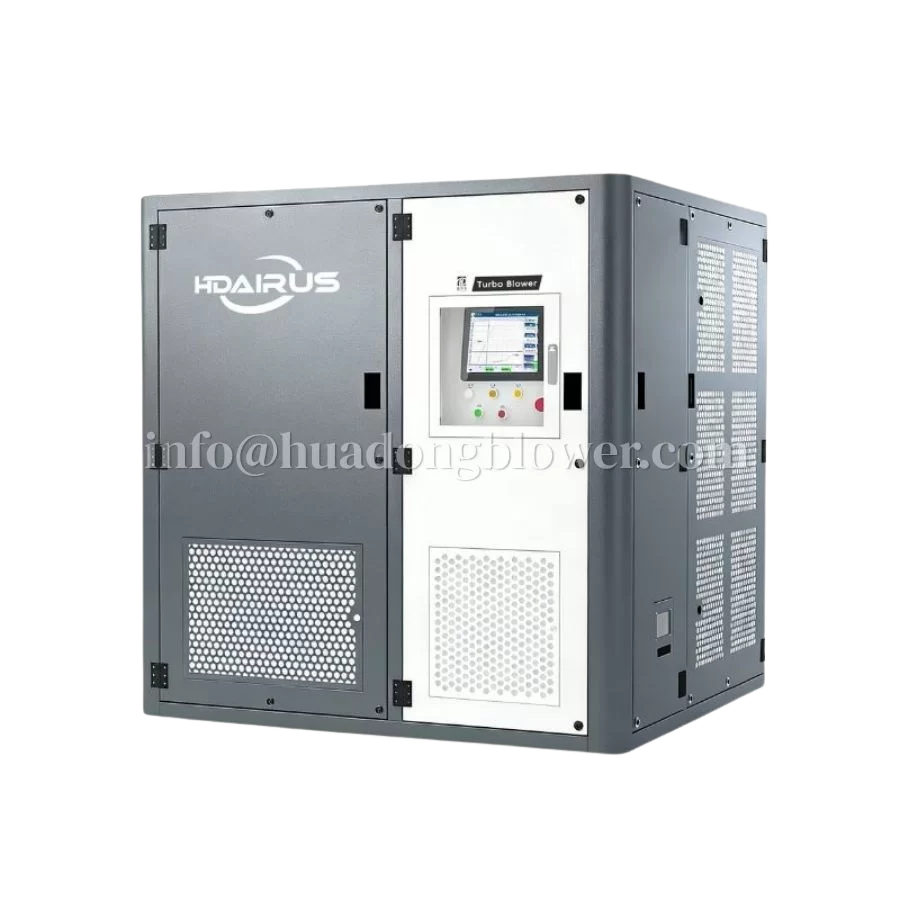
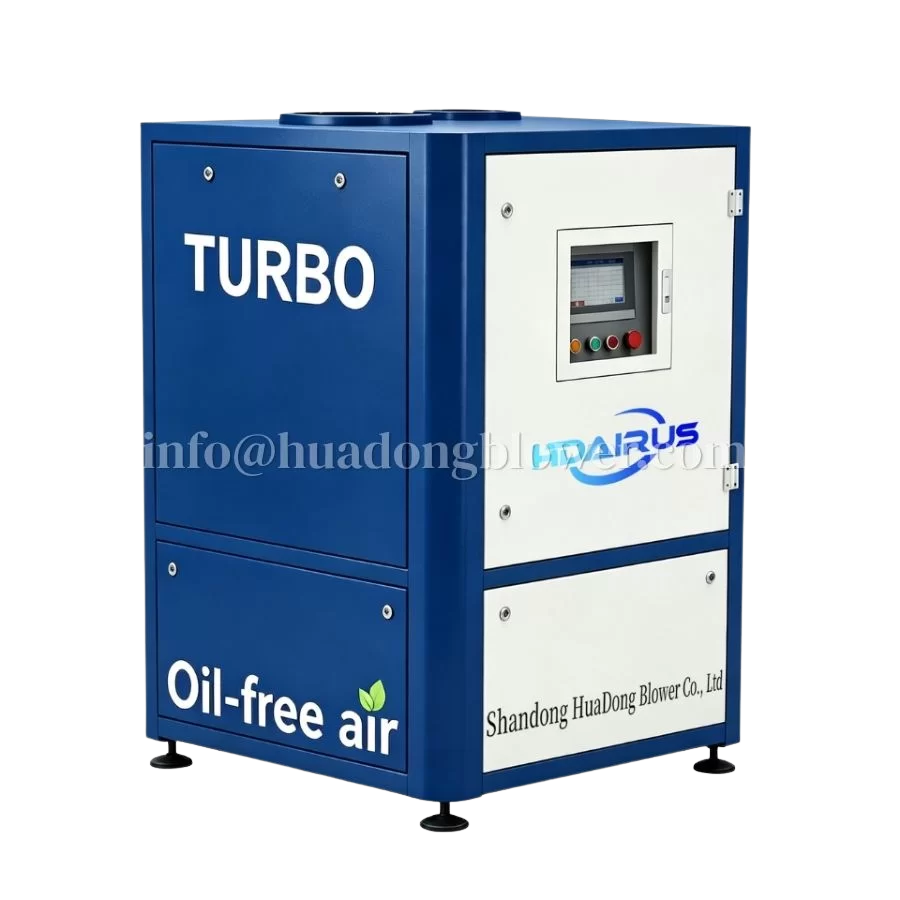
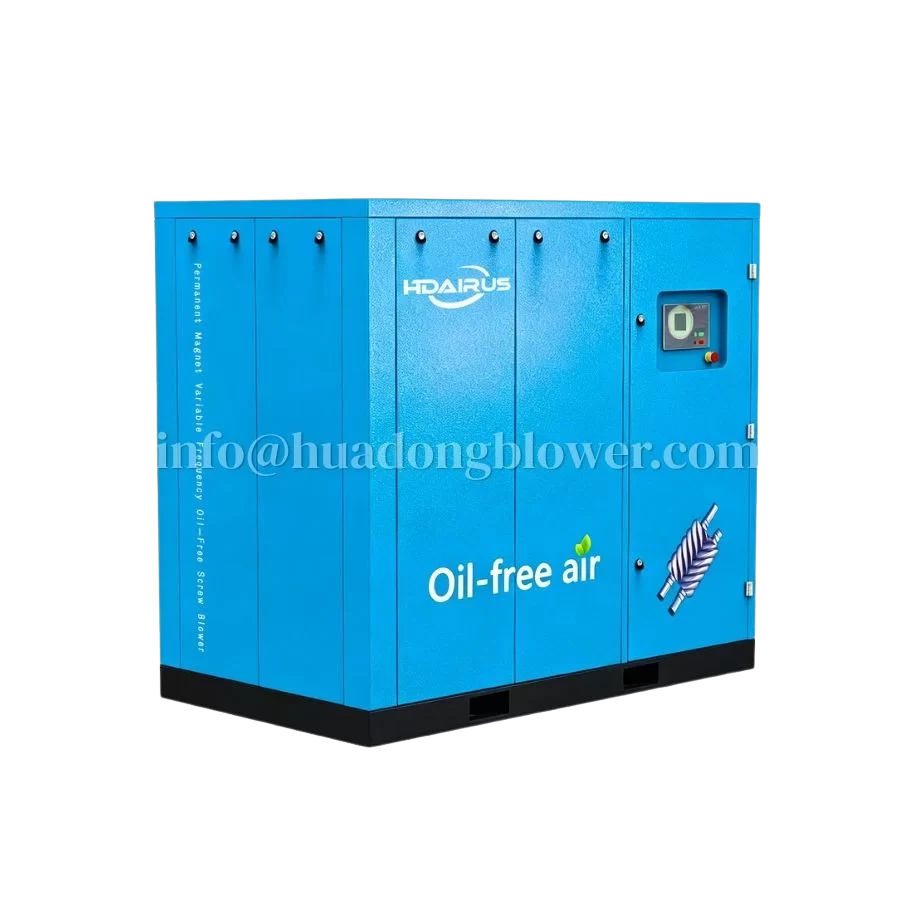
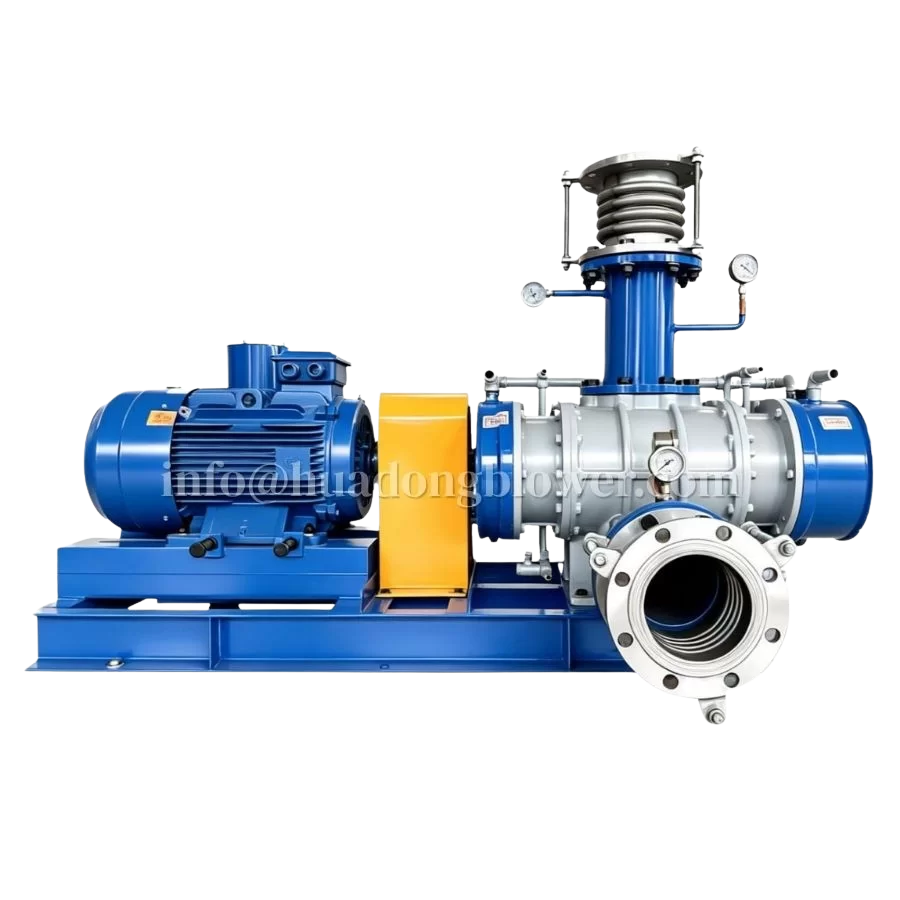
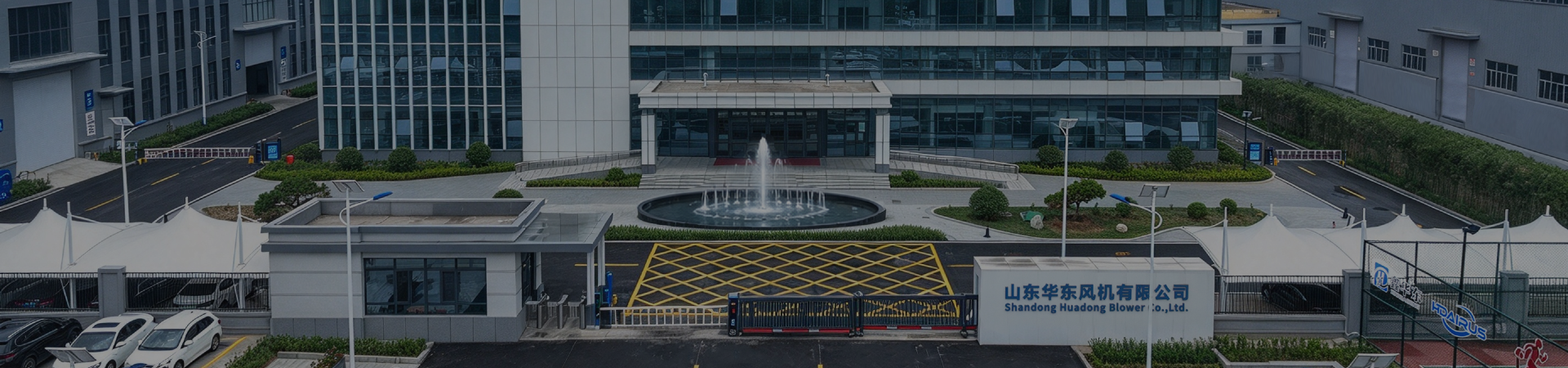
Shandong Huadong Blower Co., Ltd. supplies heavy-duty industrial positive displacement blowers designed to withstand severe petrochemical working conditions. Operating out of its 100,000 square meter smart manufacturing base in Zhangqiu, Jinan, China, the company provides custom-engineered air supply equipment under the HDAirus brand for global refinery applications.
Engineering Highlights of HDAirus Heavy-Duty Blowers
Precision Machined Tri-Lobe Rotors: Manufactured using CNC milling to achieve micro-gap tolerances, maximizing volumetric efficiency while suppressing operational vibration.
Isolated Barrier Seals: Dual-chamber mechanical gas seals with atmospheric vents isolate mechanical lubrication from the airflow path, guaranteeing 100% dry air.
Thermal Stress Resistance: High-rigidity casing designs prevent heat deformation during continuous high-pressure air delivery.
Full Automation Integration: Equipped with smart sensor arrays for monitoring vibration, bearing temperature, and discharge pressure via plant Distributed Control Systems (DCS).
By deploying HDAirus positive displacement blowers for catalyst regeneration, refinery operators achieve uniform coke burn-off, protect costly catalyst inventory, and maintain reliable long-term plant uptime.


 Scan to follow


